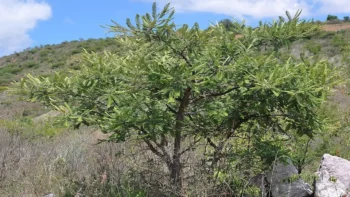
Fern-Leaf Acacia: An Elusive Beauty Worth Learning About
If you’ve stumbled across the name fern-leaf acacia in your plant research adventures, you’re not alone in finding yourself scratching your head. Vachellia pennatula, known by this delightfully descriptive common name, is one of those plants that seems to dance just outside the spotlight of mainstream gardening knowledge.
What’s in a Name?
The fern-leaf acacia goes by a few names, depending on where you encounter it. Along with its scientific name Vachellia pennatula, you might see it called tepame in some regions. If you’re digging through older botanical references, you’ll also find it listed under its former scientific name, Acacia pennatula. Like many plants in the acacia family, this species underwent some taxonomic shuffling in recent decades.
Where Does It Come From?
Here’s where things get a bit mysterious. While the botanical evidence suggests this plant has connections to Mexico and Central America (based on the original scientific describers), specific information about its native range remains surprisingly elusive in commonly available resources. This gap in readily accessible information is actually quite common with lesser-known native species.
The Reality Check: Limited Growing Information
Let’s be honest – if you’re hoping to add fern-leaf acacia to your garden this weekend, you might want to pump the brakes. This is one of those plants where comprehensive growing guides are as rare as hen’s teeth. We don’t have solid information about:
- Specific USDA hardiness zones
- Preferred soil conditions
- Water requirements
- Mature size and growth habits
- Pollinator relationships
- Wildlife benefits
Why the Information Gap?
You might wonder why there’s so little readily available information about this plant. Several factors could be at play:
- It may be a relatively uncommon species in its native range
- Limited cultivation in ornamental horticulture
- Possible confusion or overlap with other Vachellia species
- Regional knowledge that hasn’t been widely documented online
Should You Plant It?
Given the limited information available, fern-leaf acacia isn’t the best choice for most home gardeners right now. Without clear growing requirements, hardiness information, or even confirmed availability in the nursery trade, it’s a bit like trying to bake a cake without a recipe.
If you’re drawn to the idea of fern-like foliage and acacia-family plants, consider exploring other Vachellia species that are better documented and more readily available. Many acacias offer similar aesthetic appeal with the bonus of established care guidelines.
For the Plant Detectives
If you’re the type of gardener who loves a good plant mystery, Vachellia pennatula represents an interesting research project. You might:
- Check with botanical gardens specializing in Central American flora
- Connect with native plant societies in Mexico or Central America
- Explore academic botanical databases for more detailed information
- Consider reaching out to ethnobotanical researchers
The Bottom Line
While fern-leaf acacia remains tantalizingly mysterious, it serves as a good reminder that the plant world still holds many secrets. For now, this species is better appreciated as a subject of botanical curiosity rather than a garden staple. As our understanding of regional floras continues to grow, perhaps we’ll see more information about this intriguing plant emerge.
Until then, there are plenty of well-documented native alternatives that can provide similar aesthetic appeal with the confidence that comes from proven growing success. Sometimes the best gardening advice is knowing when to wait for better information – and Vachellia pennatula is definitely a wait and see situation.