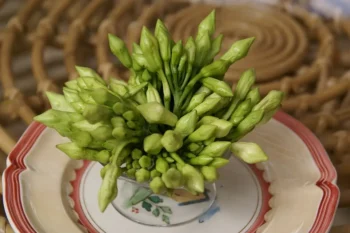
Fernaldia: The Mysterious Plant That Has Us Scratching Our Heads
If you’ve stumbled across the name Fernaldia brachypharynx in your gardening research, you’re not alone in wondering what exactly this plant is. Here’s the thing: this particular plant name has us a bit puzzled too!
The Mystery of Fernaldia brachypharynx
Sometimes in the gardening world, we encounter plant names that seem to exist in a botanical gray area. Fernaldia brachypharynx appears to be one of those enigmatic species that doesn’t show up in our usual go-to resources for native plant information. This could mean several things:
- It might be an extremely rare or regionally specific plant
- The name could be outdated or have been reclassified
- There might be a spelling variation we’re missing
- It could be a very recently discovered or described species
What This Means for Your Garden
When you can’t find reliable information about a plant’s native status, growing requirements, or potential invasiveness, it’s generally best to hold off on planting it. Without knowing whether it’s native to your area or understanding its growth habits, you could inadvertently introduce a problem plant to your landscape.
Better Safe Than Sorry: Alternative Approaches
Instead of taking a gamble on an unknown plant, consider these gardener-friendly alternatives:
- Consult with your local native plant society or botanical garden
- Reach out to university extension offices in your area
- Check with regional herbarium collections
- Consider well-documented native alternatives that provide similar benefits
The Beauty of Choosing Known Native Plants
While the mystery of fernaldia remains unsolved, there’s something to be said for sticking with native plants that have well-documented benefits. Native species offer predictable advantages like supporting local wildlife, requiring less maintenance once established, and contributing to healthy ecosystem relationships.
Moving Forward in Your Native Garden
If you’re specifically looking for plants in the same potential family or with similar characteristics, consider consulting with local experts who can point you toward well-researched alternatives. Your garden will thank you for choosing plants with known growing requirements and ecological benefits.
Remember, successful native gardening is all about working with plants that are proven performers in your specific region. While botanical mysteries can be intriguing, your garden’s success depends on reliable, well-understood species that will thrive in your local conditions.