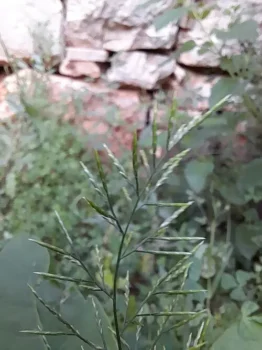
Ferngrass: The Little Grass That Probably Wandered Into Your Garden Uninvited
If you’ve noticed small, delicate grass tufts appearing in your garden paths, lawn edges, or disturbed soil areas, you might have encountered ferngrass (Catapodium rigidum). This diminutive annual grass has quite the travel resume, having journeyed from its Mediterranean homeland to establish itself across much of the United States. While it’s not going to win any most beautiful garden plant awards, understanding this little wanderer can help you make informed decisions about your landscape.
What Exactly Is Ferngrass?
Ferngrass is a small annual grass that typically grows as a low, spreading tuft. Don’t let the name fool you – it’s definitely a grass, not a fern! The fern part of its common name likely comes from its delicate, fine-textured appearance. You might also see it listed under its botanical synonyms like Desmazeria rigida or Poa rigida in older gardening references.
This little grass is what botanists call a naturalized species – meaning it arrived from somewhere else (the Mediterranean region, in this case) but has settled in quite comfortably and reproduces on its own without any help from humans.
Where You’ll Find Ferngrass
Ferngrass has made itself at home across a surprising number of states, including Alabama, California, Florida, Louisiana, Massachusetts, Mississippi, New Jersey, New Mexico, New York, Oklahoma, Oregon, Rhode Island, South Carolina, South Dakota, Texas, Washington, and Wisconsin. That’s quite the cross-country tour!
- Species observed
- No observations
You’ll typically spot ferngrass in disturbed areas, along pathways, in thin lawns, and on poor or compacted soils where other plants struggle to establish.
Should You Plant Ferngrass?
Here’s the straightforward answer: you probably shouldn’t intentionally plant ferngrass, and here’s why:
- It offers minimal ornamental value with its small, inconspicuous appearance
- It provides little to no benefit for pollinators since it’s wind-pollinated
- As a non-native species, it doesn’t support local ecosystems the way native plants do
- It tends to appear on its own anyway in suitable conditions
Growing Conditions and Characteristics
If ferngrass does show up in your garden (and it very well might), it’s helpful to understand what it likes:
- Sunlight: Prefers full sun but tolerates partial shade
- Soil: Adapts to various soil types, including poor and compacted soils
- Water: Quite drought tolerant once established
- Height: Typically stays under 6-12 inches tall
- Spread: Forms small tufts rather than spreading aggressively
- Hardiness: As an annual, it completes its life cycle in one growing season
Better Native Alternatives
Instead of ferngrass, consider these native grass alternatives that will better support your local ecosystem:
- Buffalo grass for low-maintenance lawn areas
- Little bluestem for ornamental grass gardens
- Fine fescue for shaded areas
- Regional native bunch grasses specific to your area
Managing Ferngrass in Your Garden
If ferngrass appears uninvited in your landscape, it’s generally easy to manage:
- Hand-pull small patches, especially before it sets seed
- Improve soil conditions and plant density to outcompete it naturally
- Regular mowing will prevent seed production
- Focus on establishing healthy, dense plantings of desired species
The Bottom Line
Ferngrass is one of those plants that’s neither particularly harmful nor particularly helpful in the garden. While it’s not considered invasive, it’s also not contributing much to your local ecosystem or landscape beauty. If you’re planning your garden, you’ll get much more bang for your buck – and better support for local wildlife – by choosing native alternatives.
Think of ferngrass as nature’s way of covering bare ground when nothing else will grow there. It’s doing a job, just not necessarily the job you want in a thoughtfully designed garden. Focus your energy on plants that will truly enhance your landscape and support your local environment!