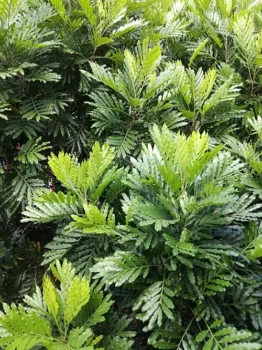
Ferntree: The Graceful Non-Native That’s Making Waves in Hawaiian Gardens
Meet the Ferntree (Filicium decipiens), a stunning ornamental tree that’s been quietly charming Hawaiian gardeners with its delicate, fern-like foliage and elegant drooping branches. While this beauty isn’t a Hawaii native, it has found a comfortable home in the islands’ warm embrace.
What Makes the Ferntree Special?
Don’t let the name fool you—this isn’t actually a fern at all! The Ferntree earned its common name from its gorgeous compound leaves that cascade gracefully like giant fern fronds. This perennial tree typically grows as a single-trunked specimen, reaching impressive heights of 13-16 feet or more under the right conditions.
Originally hailing from India and Sri Lanka, this tropical charmer has made itself at home in Hawaii, where it reproduces naturally without human intervention. It’s what botanists call a naturalized species—not native, but not necessarily problematic either.
Where You’ll Find Ferntrees Growing
Currently, Ferntrees have established themselves primarily in Hawaii, thriving in the state’s tropical climate. The warm, humid conditions mirror their native range perfectly, allowing them to flourish year-round.
- Species observed
- No observations
Should You Plant a Ferntree?
Here’s the honest scoop: Ferntrees can make absolutely gorgeous additions to the right garden, but there are a few things to consider first.
The Perks:
- Stunning ornamental value with those signature fern-like leaves
- Excellent shade tree for larger properties
- Relatively low-maintenance once established
- Can attract some pollinators with its small flowers
- Thrives in tropical and subtropical climates (USDA zones 10-12)
The Considerations:
- It’s not native to Hawaii, so it won’t support local ecosystems as well as indigenous plants
- Only suitable for very warm climates—forget about it if you experience any frost
- Needs space to spread since it’s a fairly large tree
Growing Your Ferntree Successfully
If you’ve decided a Ferntree fits your garden vision, here’s how to keep it happy:
Perfect Growing Conditions:
- Climate: Tropical to subtropical only (zones 10-12)
- Sunlight: Full sun to partial shade
- Soil: Well-draining soil is essential—soggy roots spell trouble
- Water: Regular watering, especially for young trees
Planting and Care Tips:
- Give your tree plenty of room to spread—these beauties need space
- Water regularly during the establishment period (first 1-2 years)
- Minimal pruning required—just remove dead or damaged branches
- Mulch around the base to retain moisture and suppress weeds
Native Alternatives to Consider
While Ferntrees are lovely, you might also consider some native Hawaiian alternatives that provide similar benefits while supporting local wildlife:
- Native Hawaiian trees like Koa (Acacia koa) or Ohia Lehua (Metrosideros polymorpha)
- Indigenous ferns for that ferny look without the tree size
- Native palms for tropical elegance with ecological benefits
The Bottom Line
Ferntrees can be wonderful additions to tropical gardens if you have the space and climate for them. While they’re not native to Hawaii, they’re not considered problematic either. Just remember that choosing native plants when possible helps support local ecosystems and wildlife. Whether you go with a Ferntree or opt for a native alternative, you’ll be adding beauty and shade to your garden—and that’s always a win!