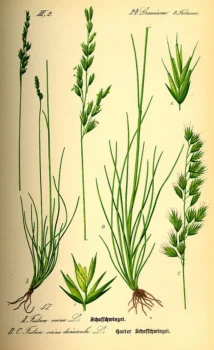
Fescue: The Unsung Hero of Low-Maintenance Landscaping
If you’re looking for a grass that won’t throw a tantrum when you forget to water it, fescue (Festuca) might just be your new best friend. This perennial grass has quietly been doing the heavy lifting in landscapes across North America, proving that sometimes the most reliable plants are the ones that don’t demand the spotlight.
What Exactly Is Fescue?
Fescue is a member of the grass family (Poaceae) that forms attractive clumps of fine-textured, narrow leaves. As a perennial, it comes back year after year, slowly spreading to create a naturalized carpet that’s both functional and surprisingly elegant. Think of it as the dependable friend who’s always there when you need them – not flashy, but absolutely essential.
Where Does Fescue Call Home?
This adaptable grass has made itself at home across an impressive range of North American locations. You’ll find various fescue species thriving from the Canadian provinces of Alberta, British Columbia, Manitoba, New Brunswick, Nova Scotia, Ontario, Prince Edward Island, Quebec, Saskatchewan, Yukon, Northwest Territories, and Nunavut, all the way down through every U.S. state including Alaska and Hawaii. It’s also found in Labrador and Newfoundland.
- Species observed
- No observations
Why Wildlife Loves Fescue
While fescue might not be the most glamorous plant in your garden, it’s certainly pulling its weight when it comes to supporting local wildlife. Large animals rely on fescue for 5-10% of their diet, while smaller mammals get about 2-5% of their nutritional needs from this humble grass. It’s like the reliable pantry staple of the animal kingdom – maybe not the most exciting meal, but always there when needed.
The Appeal of Growing Fescue
Let’s be honest – fescue isn’t going to win any beauty contests. But what it lacks in showy flowers, it makes up for in sheer practicality:
- Low maintenance: Once established, fescue is remarkably drought-tolerant
- Erosion control: Its root system helps stabilize soil on slopes and difficult areas
- Wildlife habitat: Provides food and shelter for various animals
- Naturalized look: Perfect for prairie gardens and wild landscapes
- Adaptable: Tolerates a wide range of growing conditions
Where Fescue Shines in Your Landscape
Fescue works best when you’re aiming for a naturalized, low-maintenance approach to gardening. Consider it for:
- Prairie and meadow gardens
- Erosion control on slopes
- Wildlife habitat areas
- Transition zones between cultivated and wild areas
- Low-water landscaping projects
Growing Fescue Successfully
The beauty of fescue lies in its simplicity. While specific growing requirements can vary among the many species in this genus, most fescues share some common preferences:
Hardiness: Most fescue species are cold-hardy and can typically handle USDA zones 3-9, though this varies by specific species.
Planting: Fescue can be established from seed or transplants. Spring and fall are generally the best times for planting, allowing the grass to establish before extreme weather hits.
Care: Once established, fescue is refreshingly low-maintenance. It’s drought-tolerant and doesn’t require frequent fertilization. In fact, too much pampering can sometimes do more harm than good.
A Word About Native Alternatives
While fescue species are widespread across North America, if you’re specifically focused on supporting native ecosystems, it’s worth researching which fescue species are truly native to your specific region. Consider consulting with local native plant societies or extension services to identify the most appropriate native grasses for your area. Native bunch grasses and other indigenous species might offer even greater benefits to local wildlife and ecosystems.
The Bottom Line
Fescue might not be the most exciting plant you’ll ever grow, but it’s definitely one of the most reliable. If you’re looking for a low-maintenance grass that can handle neglect, support wildlife, and help control erosion, fescue deserves a spot in your landscape. Just remember – sometimes the best garden plants are the ones that do their job quietly and efficiently, leaving you more time to enjoy your garden rather than constantly tending it.
Think of fescue as the garden equivalent of a good pair of jeans – not necessarily glamorous, but dependable, versatile, and always appropriate for the occasion.