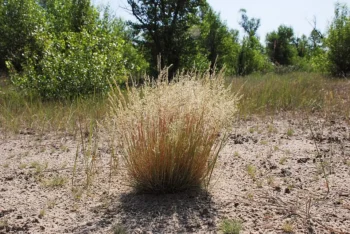
Festuca beckeri: The Mysterious Fine Fescue
If you’ve stumbled across the name Festuca beckeri in your plant research adventures, you’re not alone in finding yourself scratching your head. This elusive member of the grass family is one of those botanical mysteries that keeps taxonomists busy and gardeners curious.
What Exactly is Festuca beckeri?
Festuca beckeri belongs to the graminoid family – that’s botanist-speak for grass and grass-like plants. More specifically, it’s classified as a fine fescue, characterized by its narrow, thread-like leaves that give it a delicate, almost hair-like appearance. You might also encounter it listed under its synonym, Festuca ovina L. ssp. beckeri Hack., which gives us a clue about its close relationship to sheep fescue.
The Name Game
Here’s where things get a bit tricky – Festuca beckeri doesn’t seem to have established common names that gardeners regularly use. This often happens with lesser-known or regionally specific plant varieties that haven’t made their way into mainstream horticulture.
Where Does It Come From?
The geographical distribution of Festuca beckeri remains somewhat of a puzzle. Based on its taxonomic relationships and limited available data, it appears to have connections to European or alpine regions, but specific native range information is scarce in readily available sources.
Should You Plant It?
Here’s the honest truth: with so little readily available information about Festuca beckeri’s specific growing requirements, native status, and garden performance, it’s challenging to give definitive planting recommendations. This lack of information often indicates that:
- The plant may be extremely rare or have limited distribution
- It might be primarily of academic or taxonomic interest rather than horticultural use
- It could be a regional variety that hasn’t been widely studied or cultivated
Alternative Fine Fescues for Your Garden
If you’re drawn to the fine-textured beauty of fescue grasses, consider these better-documented alternatives that are readily available and well-suited to garden use:
- Red fescue (Festuca rubra) – Great for naturalistic plantings and low-maintenance areas
- Blue fescue (Festuca glauca) – Stunning ornamental with silvery-blue foliage
- Sheep fescue (Festuca ovina) – Drought-tolerant and perfect for rock gardens
The Bottom Line
While Festuca beckeri remains an intriguing botanical puzzle, the lack of comprehensive growing information makes it a challenging choice for most gardeners. If you’re passionate about rare or unusual grasses and happen to find this species available from a reputable source, ensure you’re getting responsibly collected material and be prepared for some gardening experimentation.
For most gardening purposes, you’ll find greater success and satisfaction with the well-documented fine fescues that offer similar aesthetic appeal with proven garden performance. Sometimes the most mysterious plants are best left to the specialists – at least until we know more about them!