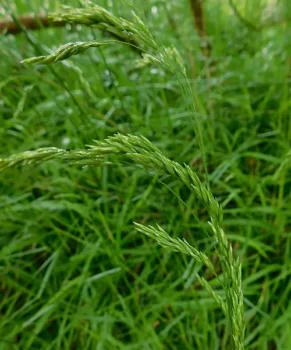
Festuca drymeja: A Mountain Grass for Alpine Garden Enthusiasts
If you’ve ever dreamed of creating a slice of the European Alps in your own backyard, Festuca drymeja might just be the grass you’ve been searching for. This charming mountain native brings a touch of high-altitude elegance to gardens, though it’s definitely not your typical lawn grass!
What Exactly Is Festuca drymeja?
Festuca drymeja is a perennial grass that naturally calls the mountainous regions of Europe home, particularly thriving in the Alps and Carpathians. You might occasionally see it referred to by its synonyms Festuca drymeia or Festuca montana, but don’t let the name variations confuse you – it’s the same delightful mountain grass.
This graminoid (that’s garden-speak for grass-like plant) forms attractive clumps of fine-textured foliage topped with delicate, airy seed heads that dance in the breeze. It’s the kind of plant that whispers rather than shouts in the landscape.
Geographic Distribution and Native Status
As a European native, Festuca drymeja isn’t indigenous to North American gardens, but it has found its way into the hearts of gardeners who appreciate its mountain charm.
Why Consider This Mountain Beauty?
Here’s what makes Festuca drymeja worth considering for your garden:
- Aesthetic Appeal: Creates lovely textural contrast with its fine foliage and ethereal seed heads
- Low Maintenance: Once established, it’s remarkably self-sufficient
- Wildlife Friendly: Provides nesting material for small insects and seeds for birds
- Drought Tolerant: Perfect for gardeners seeking water-wise plantings
- Cold Hardy: Thrives in USDA zones 4-7, making it suitable for cooler climates
Garden Roles and Landscape Uses
This mountain grass shines in specific garden settings:
- Alpine and Rock Gardens: Its natural habitat makes it perfect for recreating mountain meadow scenes
- Naturalistic Landscapes: Adds movement and texture to prairie-style plantings
- Slope Stabilization: Helps prevent erosion on challenging terrain
- Container Gardens: Works beautifully in large pots for patio displays
Growing Conditions and Care
Success with Festuca drymeja comes down to understanding its mountain origins:
- Soil: Excellent drainage is absolutely essential – think rocky, well-draining conditions
- Light: Prefers full sun but tolerates partial shade
- Water: Drought tolerant once established, but appreciates occasional watering during dry spells
- Climate: Best suited for cooler climates in zones 4-7
Planting and Care Tips
Getting started with this alpine beauty is straightforward:
- Plant in spring after the last frost
- Amend heavy soils with gravel or coarse sand to improve drainage
- Space plants 12-18 inches apart for natural-looking drifts
- Water regularly the first season, then reduce as the plant establishes
- Cut back in late winter or early spring before new growth emerges
A Word About Native Alternatives
While Festuca drymeja isn’t invasive and can be a lovely garden addition, consider exploring native grass options first. Your local extension office can recommend indigenous species that provide similar aesthetic appeal while supporting local ecosystems more effectively. Native alternatives might include local fescue species or other bunch grasses native to your region.
The Bottom Line
Festuca drymeja offers a unique opportunity to bring mountain meadow magic to suitable gardens. If you’re in zones 4-7, have well-draining soil, and appreciate subtle beauty over flashy displays, this European mountain grass could be a wonderful addition to your landscape. Just remember that good drainage isn’t optional – it’s absolutely essential for success!
Whether you’re creating an alpine garden, need an elegant grass for naturalistic plantings, or simply love the idea of growing a piece of the European mountains, Festuca drymeja might just earn a special place in your gardening heart.