Feverfew: A Charming Cottage Garden Herb with Ancient Roots
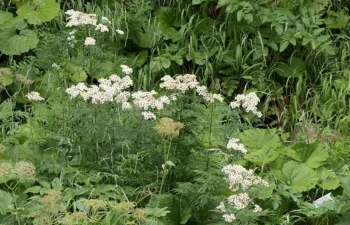
If you’ve ever wandered through a traditional cottage garden and noticed clusters of cheerful white daisy-like flowers dancing above feathery, aromatic foliage, chances are you’ve encountered feverfew. This delightful perennial herb has been charming gardeners and herbalists for centuries, and it’s easy to see why this European native has found its way into gardens across North America.
What is Feverfew?
Feverfew (Tanacetum parthenium) is a perennial forb—essentially an herbaceous plant without woody stems—that brings both beauty and historical significance to the garden. You might also see it listed under its former botanical names, Chrysanthemum parthenium or Matricaria parthenium, as plant taxonomy has evolved over the years.
This isn’t a native North American plant, though. Feverfew originally hails from Europe and western Asia, but it has thoroughly made itself at home across much of North America. It’s become naturalized (meaning it reproduces on its own in the wild) throughout Canada and the United States, thriving in locations from British Columbia to Newfoundland, and from Hawaii to nearly every state in the continental U.S.
- Species observed
- No observations
Why Gardeners Love (and Sometimes Struggle With) Feverfew
Feverfew is like that friend who’s absolutely delightful but can be a bit… enthusiastic. Here’s what makes it appealing and what you should know before planting:
The Good Stuff
- Pollinator magnet: Those small white flowers with bright yellow centers are bee and butterfly favorites
- Long blooming period: Flowers appear from late spring through fall
- Aromatic foliage: The leaves have a distinctive, somewhat bitter scent that many find pleasant
- Low maintenance: Once established, it’s quite drought tolerant
- Historical significance: Used medicinally for centuries (though always consult healthcare providers before using any plant medicinally)
The Things to Consider
- Enthusiastic self-seeder: Feverfew can spread readily through seeds, sometimes more than you might want
- Not native: While not considered invasive, it doesn’t provide the same ecological benefits as native plants
- Can be weedy: Without management, it might pop up in unexpected places
Growing Feverfew Successfully
The good news? Feverfew is remarkably easy to grow. Perhaps too easy, some gardeners might say!
Growing Conditions
Feverfew is quite adaptable but performs best when given:
- Sunlight: Full sun to partial shade (at least 4-6 hours of direct sunlight)
- Soil: Well-draining soil of almost any type—it’s not fussy about soil quality
- Water: Moderate water when establishing, then quite drought tolerant
- Climate: Hardy in USDA zones 4-9
Planting and Care Tips
- Start from seed: Easy to grow from seed sown in spring or fall
- Space appropriately: Plants typically reach 1-3 feet tall and wide
- Deadhead regularly: Remove spent flowers to prevent excessive self-seeding
- Divide every few years: This keeps plants vigorous and prevents overcrowding
- Cut back in late fall: After the first frost, cut plants back to ground level
Perfect Garden Spots for Feverfew
Feverfew fits beautifully into several garden styles:
- Cottage gardens: Its informal, cheerful appearance is perfect for relaxed garden styles
- Herb gardens: Traditional choice for medicinal and culinary herb collections
- Cutting gardens: Makes lovely, long-lasting cut flowers
- Border plantings: Works well as a mid-height border plant
- Wildlife gardens: Attracts beneficial insects and pollinators
A Word About Native Alternatives
While feverfew is a charming addition to many gardens, if you’re looking to support local ecosystems and native wildlife, consider these native alternatives that offer similar benefits:
- Wild bergamot (Monarda fistulosa): Native aromatic herb with pollinator appeal
- White heath aster (Symphyotrichum ericoides): Native fall-blooming white flowers
- Yarrow (Achillea millefolium): Native in western regions, similar feathery foliage
- Wild chamomile (Matricaria discoidea): Native alternative with similar uses
The Bottom Line on Feverfew
Feverfew is one of those plants that’s hard not to love, despite its non-native status. If you appreciate cottage garden charm, enjoy plants with historical significance, and want to attract pollinators to your garden, feverfew might be a great fit. Just be prepared to manage its enthusiasm for self-seeding, and consider pairing it with native plants to create a garden that’s both beautiful and ecologically beneficial.
Whether you’re drawn to its cheerful flowers, aromatic foliage, or rich history, feverfew can be a delightful addition to the right garden. Just remember: a little management goes a long way with this enthusiastic perennial!