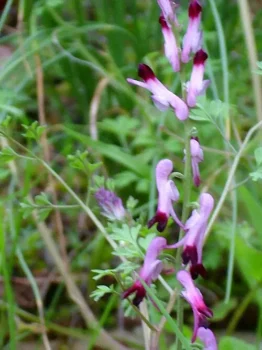
Few-Flower Fumitory: A Lesser-Known Non-Native Forb
If you’ve stumbled across the name few-flower fumitory in your plant research, you’re looking at one of the more obscure members of the fumitory family. Known botanically as Fumaria reuteri, this perennial forb represents an interesting case study in introduced species that have quietly established themselves in North American landscapes.
What Is Few-Flower Fumitory?
Few-flower fumitory is a non-native perennial forb that has made its way into Washington state’s flora. As a forb, it’s an herbaceous plant without significant woody tissue—think of it as falling somewhere between a true herb and a wildflower. This plant has managed to reproduce spontaneously in the wild without human assistance, essentially becoming naturalized in its adopted home.
You might also encounter this plant listed under its synonym, Fumaria martinii Clavaud, though the accepted name remains Fumaria reuteri.
Where You’ll Find It
Currently documented in Washington state, few-flower fumitory has a quite limited geographical footprint in North America. Its presence appears to be relatively recent and localized compared to other introduced species.
- Species observed
- No observations
Should You Plant Few-Flower Fumitory?
Here’s where things get a bit tricky. While few-flower fumitory isn’t currently listed as invasive or noxious, there’s limited information about its long-term behavior in North American ecosystems. As a responsible gardener, this puts you in a gray area.
The Case Against Planting It:
- Limited ecological benefits for native wildlife
- Unknown potential for spread or invasiveness
- Minimal ornamental value compared to native alternatives
- Very little available information about proper cultivation
If You’re Curious About Fumitory-Like Plants:
- Consider native bleeding hearts (Dicentra species) for similar delicate foliage
- Look into native wildflowers that provide better wildlife habitat
- Explore regional native plant societies for local alternatives
Growing Conditions and Care
Information about successfully growing few-flower fumitory is quite limited. Based on its fumitory relatives, it likely prefers:
- Disturbed or cultivated soils
- Cool, moist conditions
- Partial shade to full sun
- Areas with minimal competition from established plants
However, without specific cultivation guides for this species, growing it successfully would involve considerable guesswork.
The Bottom Line
Few-flower fumitory represents one of those botanical mysteries that occasionally pop up in plant databases. While it’s not actively harmful, its limited ecological benefits and unknown cultivation requirements make it a questionable choice for most gardens.
Instead of gambling on this obscure introduction, consider channeling your curiosity toward native plants that offer guaranteed benefits for local wildlife and ecosystems. Your local native plant society can point you toward fascinating native forbs that will thrive in your specific conditions while supporting the broader web of life in your area.
Sometimes the most interesting choice isn’t the rarest plant you can find, but rather the native species that perfectly fits your garden’s ecosystem puzzle.