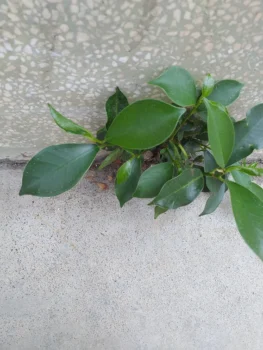
Ficus microcarpa var. microcarpa: A Versatile Tropical Beauty for Your Garden
Meet Ficus microcarpa var. microcarpa, commonly known as the Chinese Banyan or Curtain Fig – a charming member of the fig family that’s been winning hearts in tropical and subtropical gardens worldwide. This perennial shrub brings a touch of exotic elegance to landscapes, though it’s worth understanding both its benefits and considerations before adding it to your garden.
Where Does This Beauty Call Home?
Originally hailing from tropical Asia, including southern China and Southeast Asia, this particular variety has established itself across the Pacific Basin. Today, you’ll find Ficus microcarpa var. microcarpa growing in Guam, Palau, and the U.S. Minor Outlying Islands, where it has adapted well to the local climate conditions.
- Species observed
- No observations
What Makes It Special?
This delightful shrub typically grows as a multi-stemmed woody plant, usually staying under 13-16 feet in height, making it perfect for gardeners who want tropical flair without overwhelming their space. What really sets it apart is its dense, glossy green foliage that creates beautiful natural screens and focal points.
The Chinese Banyan has a few tricks up its sleeve – it can occasionally develop fascinating aerial roots and maintains a naturally compact growth form that responds well to pruning and shaping.
Garden Role and Design Potential
This versatile plant works wonderfully as:
- A specimen plant for creating focal points
- Natural screening for privacy
- Container growing for patios and indoor spaces
- Part of tropical and subtropical garden designs
Growing Conditions and Care
Ficus microcarpa var. microcarpa thrives in USDA hardiness zones 9b through 12, making it suitable for warm climate gardening. Here’s what this tropical beauty needs to flourish:
- Light: Full sun to partial shade
- Soil: Well-draining soil that doesn’t stay waterlogged
- Water: Regular watering, but allow soil to dry slightly between waterings
- Temperature: Warm temperatures year-round; protect from cold snaps
Planting and Care Tips
Getting started with your Chinese Banyan is straightforward. Plant in well-prepared, well-draining soil and water regularly during the establishment period. Once established, it’s relatively low-maintenance but benefits from:
- Regular pruning to maintain desired shape and size
- Protection from cold temperatures if you’re in the cooler end of its range
- Consistent moisture without overwatering
- Occasional feeding during the growing season
Wildlife and Pollinator Benefits
One fascinating aspect of Ficus microcarpa var. microcarpa is its relationship with specialized fig wasps. These tiny pollinators have co-evolved with fig species, creating a unique ecological partnership that supports biodiversity in tropical ecosystems.
Should You Plant It?
If you’re gardening in zones 9b-12 and love the idea of tropical foliage and natural screening, this Chinese Banyan could be a great addition to your landscape. Its manageable size and attractive appearance make it suitable for both residential gardens and container growing.
However, since it’s not native to most areas where it’s commonly grown, consider exploring native alternatives that might provide similar aesthetic benefits while supporting local ecosystems. Your local native plant society or extension office can suggest indigenous shrubs that offer comparable landscape value with added ecological benefits.
The Bottom Line
Ficus microcarpa var. microcarpa offers tropical gardeners a reliable, attractive shrub that’s relatively easy to grow and maintain. While it may not be native to your area, it can still be a valuable addition to the right garden setting. Just remember to research native alternatives and consider what best serves both your landscape goals and local wildlife.
Whether you choose this charming fig or explore native options, the key is creating a garden that brings you joy while being mindful of the broader ecosystem around you.