Field Brome: Why This Non-Native Grass Probably Isn’t Right for Your Garden
If you’ve stumbled across field brome (Bromus arvensis) in your research, you might be wondering whether this annual grass deserves a spot in your landscape. While it’s certainly hardy and easy to grow, there are some important considerations before you decide to plant this European native in your American garden.
What is Field Brome?
Field brome is an annual grass that originally hails from Europe and Asia but has made itself quite at home across North America. You might also see it listed under several scientific synonyms, including Bromus japonicus or Bromus patulus, but they all refer to the same adaptable little grass that completes its entire life cycle in just one growing season.
Where You’ll Find Field Brome
This grass has spread far and wide since its introduction to North America. You can find field brome growing wild in almost every U.S. state and several Canadian provinces, from Alabama to Alberta and everywhere in between. It’s particularly common in disturbed areas, roadsides, and agricultural fields.
- Species observed
- No observations
The Native Status Reality Check
Here’s the thing about field brome: it’s a non-native species that reproduces on its own and tends to stick around once it gets established. While it’s not currently listed as invasive or noxious, planting non-native species always comes with risks. These plants can sometimes outcompete native species that local wildlife depends on for food and habitat.
What Field Brome Looks Like
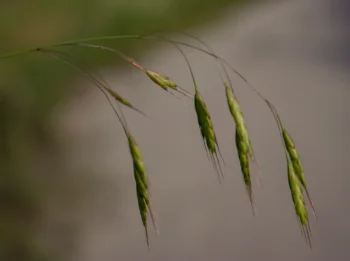
Don’t expect field brome to win any beauty contests. This annual grass grows in bunches and reaches about 3 feet tall at maturity. It has:
- Green foliage with a medium texture
- Small, unremarkable yellow flowers that bloom in mid-spring
- Brown seeds that it produces in abundance
- An upright, erect growth pattern
The grass is most active during fall, winter, and spring, then dies back completely since it’s an annual.
Growing Conditions and Care
If you’re determined to grow field brome (though we’ll suggest some alternatives in a moment), it’s refreshingly low-maintenance:
- Soil: Adapts to medium and fine-textured soils with a pH between 5.2 and 7.5
- Water: Needs moderate moisture but has low drought tolerance
- Light: Full sun only – it won’t tolerate shade
- Climate: Hardy in USDA zones 5-9, needs at least 120 frost-free days
- Fertilizer: Medium fertility requirements
Propagation and Spread
Field brome spreads solely by seed, and boy, does it make a lot of them! With about 280,000 seeds per pound and high seed production, this grass can establish quickly. The seeds don’t persist in the soil for long, but the plant’s rapid growth rate and vigorous seedlings mean it can colonize new areas fast.
Ecological Considerations
While field brome isn’t toxic and doesn’t fix nitrogen, it also doesn’t offer much to local ecosystems. As a wind-pollinated grass, it provides minimal benefits to pollinators like bees and butterflies. Its wildlife value is largely unknown, which isn’t a great selling point when you could choose native alternatives that actively support local biodiversity.
Better Alternatives for Your Garden
Instead of planting field brome, consider these native grass alternatives that will support local wildlife:
- Little bluestem (Schizachyrium scoparium) – Beautiful native bunch grass with fall color
- Buffalo grass (Poaceae dactyloides) – Low-maintenance native for arid regions
- Purple needlegrass (Stipa pulchra) – California’s state grass with ornamental value
- Sideoats grama (Bouteloua curtipendula) – Attractive seed heads and drought tolerance
The Bottom Line
While field brome isn’t a garden villain, it’s not exactly a garden hero either. This non-native annual grass offers little aesthetic appeal, minimal wildlife benefits, and takes up space that could be occupied by native species that support local ecosystems. If you’re looking for an easy-care grass for your landscape, you’ll find much better options among North America’s native species that will give you more bang for your gardening buck while supporting the critters that call your area home.
Remember, every plant choice is a vote for the kind of ecosystem you want to create in your own backyard. Why not make it count?