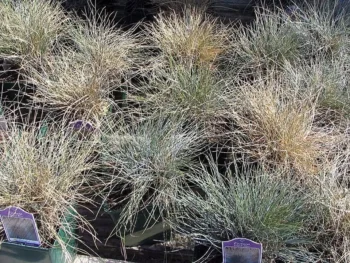
Field Fescue: What We Know About This Lesser-Known Grass
If you’ve stumbled across the name field fescue (Festuca arvernensis) in your gardening research, you might be scratching your head trying to find solid information about this particular grass. Don’t worry – you’re not alone! This is one of those plant species that seems to fly under the radar, even among seasoned gardeners.
The Basics: What Is Field Fescue?
Field fescue is a perennial grass that belongs to the graminoid family – that’s garden-speak for grass or grass-like plants. Like its cousins in the fescue family, it’s built to last, coming back year after year once established. You might also see it listed under some scientific synonyms, including Festuca glauca Lam. (though not the Vill. version) and Festuca ovina var. glauca.
Where You’ll Find It Growing
Here’s where things get interesting – and a bit limited. In the United States, field fescue has established itself in just two states: California and New Mexico. It’s considered a non-native species that has naturalized, meaning it reproduces on its own in the wild without any help from gardeners.
- Species observed
- No observations
Should You Plant Field Fescue?
Here’s the honest truth: there’s a lot we don’t know about this particular species. While it’s not listed as invasive or noxious, the lack of detailed information about its growing habits, ecological impact, and garden performance makes it a bit of a wild card.
If you’re drawn to fescue grasses for your landscape, you might want to consider some well-documented native alternatives instead:
- Native bunch grasses specific to your region
- Local sedge species that provide similar texture
- Indigenous grasses recommended by your local extension office
The Information Gap
Unfortunately, specific details about field fescue’s appearance, growing requirements, and garden performance are scarce. We don’t have reliable information about:
- Its mature size and growth rate
- Preferred soil and light conditions
- USDA hardiness zones
- Benefits to pollinators and wildlife
- Best planting and care practices
The Bottom Line
While field fescue might sound intriguing, the lack of comprehensive growing information makes it a risky choice for most gardeners. Your time and garden space are precious, so why not invest in native grasses with proven track records and well-documented benefits to local ecosystems?
If you’re set on exploring lesser-known grasses, connect with your local native plant society or extension office. They can point you toward native species that will thrive in your specific conditions while supporting local wildlife – now that’s what we call a win-win!