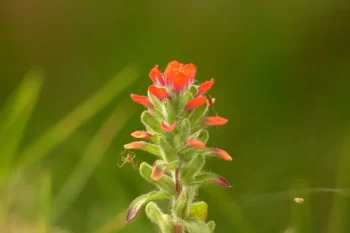
Field Indian Paintbrush: A Modest Wildflower with Complex Garden Considerations
If you’re looking for a wildflower that won’t steal the show but might add a touch of understated charm to your garden, field Indian paintbrush (Castilleja arvensis) could be on your radar. This small annual forb brings a quiet presence to landscapes, though it’s worth understanding exactly what you’re getting into before you plant it.
What is Field Indian Paintbrush?
Field Indian paintbrush is an annual forb – basically a non-woody plant that completes its entire life cycle in one growing season. As a member of the Castilleja genus, it’s related to the more famous and showy Indian paintbrushes you might see painting western meadows red and orange. However, this particular species is much more modest in its appearance and garden impact.
Where Does It Grow?
Here’s where things get interesting from a native gardening perspective. While field Indian paintbrush originally hails from western North America, it has established itself in Hawaii, where it now grows and reproduces on its own. In Hawaii, it’s considered a non-native species that has naturalized in the wild.
- Species observed
- No observations
Should You Plant Field Indian Paintbrush?
The answer depends on your gardening goals and location. Here are some considerations:
Reasons You Might Want to Plant It:
- Low-maintenance annual that requires minimal care once established
- Adapts well to poor soils where other plants might struggle
- Can fill gaps in wildflower gardens or naturalized areas
- May provide nectar for small native pollinators
- Thrives in full sun conditions
Reasons You Might Want to Skip It:
- Limited ornamental value due to small, inconspicuous flowers
- Short growing season as an annual
- Non-native status means it won’t support local ecosystems as effectively as native alternatives
- Better native wildflower options are likely available in your region
Growing Conditions and Care
If you decide to grow field Indian paintbrush, you’ll find it’s refreshingly undemanding. This hardy little annual prefers full sun and well-draining soils, though it’s quite tolerant of poor soil conditions. In fact, it often thrives where more finicky plants might struggle.
The plant typically reaches 4-12 inches in height, making it suitable for the front of borders or naturalized meadow areas. Its wetland status is Facultative Upland, which means it usually prefers non-wetland conditions but can tolerate some moisture.
Planting and Propagation
As an annual, field Indian paintbrush grows from seed each year. Direct seeding in fall or early spring tends to work best, allowing the seeds to experience natural temperature fluctuations that may help with germination. Once established, it often self-seeds, though not aggressively.
A Word About Native Alternatives
While field Indian paintbrush isn’t considered invasive, native plant enthusiasts might want to consider local alternatives that provide similar ecological benefits while supporting regional wildlife and ecosystems. Many regions have native Castilleja species or other annual wildflowers that offer comparable garden value with the added benefit of supporting local pollinators and wildlife more effectively.
The Bottom Line
Field Indian paintbrush is a perfectly harmless little wildflower that can add subtle interest to casual garden settings. It’s not going to wow anyone with dramatic blooms or attract clouds of butterflies, but it will quietly do its thing with minimal fuss. Whether it belongs in your garden really depends on your priorities – if you’re focused on supporting local ecosystems, you might want to explore native alternatives first. But if you’re drawn to low-maintenance annuals with modest charm, field Indian paintbrush could earn a spot in your wildflower mix.