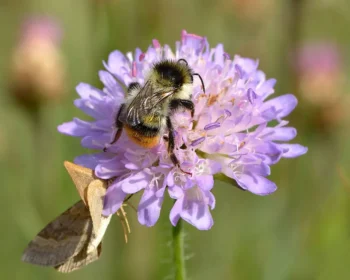
Field Scabiosa: A Beautiful but Problematic Garden Guest
Field scabiosa (Knautia arvensis) might catch your eye with its charming purple-blue pincushion flowers dancing in the breeze, but this European native comes with some serious baggage that every gardener should know about before adding it to their landscape.
What is Field Scabiosa?
Field scabiosa is a non-native forb that originally hails from Europe and has made itself quite at home across North America. Also known by its scientific name Knautia arvensis (and formerly called Scabiosa arvensis), this plant can behave as either an annual or perennial depending on growing conditions. As a forb, it’s an herbaceous plant without woody stems that produces those distinctive rounded flower heads that look like purple pincushions.
Where Does It Grow?
This adaptable plant has spread extensively across North America since its introduction. You’ll find field scabiosa established in Alberta, British Columbia, Manitoba, New Brunswick, Ontario, Quebec, Saskatchewan, and Newfoundland in Canada. In the United States, it’s present in Colorado, Connecticut, Idaho, Illinois, Maine, Maryland, Massachusetts, Michigan, Minnesota, Montana, New Hampshire, New Jersey, New York, North Dakota, Oregon, Pennsylvania, South Dakota, Utah, Vermont, West Virginia, Wisconsin, and Wyoming.
- Species observed
- No observations
The Invasive Issue
Here’s where things get complicated. While field scabiosa might look innocent enough, it’s classified as Restricted in Wisconsin due to its invasive tendencies. This designation means it can reproduce spontaneously in wild areas without human help and tends to persist, potentially crowding out native plants that local wildlife depends on.
The plant’s ability to self-seed readily and establish in various habitats makes it a concern for natural area managers and conservation-minded gardeners.
Garden Appeal and Characteristics
Despite its problematic nature, it’s easy to see why field scabiosa has found its way into gardens. The plant typically grows 1-4 feet tall and produces clusters of purple-blue flowers from summer through fall. These blooms are magnets for butterflies, bees, and other pollinators, making them superficially attractive for wildlife gardens.
Field scabiosa thrives in USDA hardiness zones 3-8 and adapts to various growing conditions, including full sun to partial shade and different soil types. Once established, it’s quite drought tolerant and requires minimal care.
Why You Might Want to Think Twice
While field scabiosa offers some aesthetic and pollinator benefits, its invasive status in some areas makes it a questionable choice for responsible gardeners. Plants that escape cultivation can:
- Displace native wildflowers that evolved with local ecosystems
- Reduce biodiversity in natural areas
- Create management problems for land managers
- Potentially spread to neighboring properties
Better Native Alternatives
Instead of field scabiosa, consider these native alternatives that provide similar benefits without the ecological concerns:
- Wild bergamot (Monarda fistulosa) – purple flowers loved by pollinators
- New England aster (Symphyotrichum novae-angliae) – fall-blooming purple flowers
- Purple coneflower (Echinacea purpurea) – sturdy perennial with purple blooms
- Blazing star species (Liatris spp.) – spiky purple flower spikes
If You Already Have It
If field scabiosa is already established in your garden, you can minimize its spread by deadheading flowers before they set seed and avoiding composting plant material. Consider gradually replacing it with native alternatives that provide similar garden benefits.
The Bottom Line
While field scabiosa certainly has its charms, its invasive tendencies make it a plant best admired from afar rather than invited into your garden. By choosing native alternatives, you can enjoy similar beauty while supporting local ecosystems and avoiding potential problems down the road. Your local wildlife – and your neighbors – will thank you for making the more responsible choice.