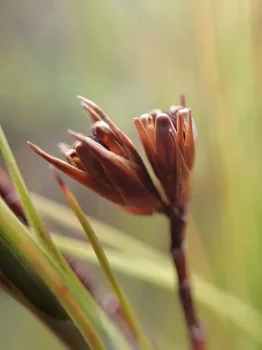
Filifolium: The Mystery Plant That Might Not Exist
If you’ve stumbled across the name Filifolium while researching plants for your garden, you’re not alone in scratching your head. This botanical name presents quite the puzzle for gardeners and plant enthusiasts alike.
What We Know (And Don’t Know) About Filifolium
Here’s where things get interesting – and a bit mysterious. Despite extensive research through botanical databases, horticultural references, and native plant resources, Filifolium doesn’t appear to be a recognized genus in current plant taxonomy. The name suggests it would be classified as a dicot, but beyond that basic classification, reliable information is virtually non-existent.
We don’t have confirmed details about:
- Common names or alternative names
- Geographic distribution or native range
- Physical characteristics or growth habits
- Growing requirements or hardiness zones
- Wildlife or pollinator benefits
The Name Game: What Filifolium Might Mean
If we break down the Latin components, Filifolium could theoretically mean thread-leaved or fern-leaved (from filum meaning thread and folium meaning leaf). This suggests it might refer to a plant with very narrow, delicate foliage – but this is purely speculative.
So, Should You Plant Filifolium?
Here’s the straightforward answer: you probably can’t. If this genus doesn’t exist in current botanical literature, you’re unlikely to find it at your local nursery or through reputable seed suppliers.
This situation actually highlights an important point for native plant gardeners: always verify plant names through reliable sources before making purchasing decisions.
What to Do If You’re Looking for Thread-Leaved Natives
If you were drawn to the idea of a thread-leaved plant for your native garden, consider these alternatives that actually exist and are widely available:
- Thread-leaf coreopsis (Coreopsis verticillata) – a native wildflower with delicate, needle-like foliage
- Fine-leaf woollywhite (Hymenopappus filifolius) – truly thread-leaved and native to western regions
- Threadleaf groundsel (Senecio flaccidus) – another genuinely thread-leaved native option
The Takeaway
While Filifolium remains a botanical mystery, this experience serves as a great reminder to double-check plant information before planning your garden. When in doubt, consult your local extension office, native plant society, or reputable botanical references.
Sometimes the most interesting garden stories are about the plants we can’t grow – they remind us just how vast and sometimes puzzling the plant world can be!