Fineleaf Fumitory: A Delicate Mediterranean Wildflower for Your Garden
If you’re drawn to delicate wildflowers with an old-world charm, fineleaf fumitory (Fumaria parviflora) might catch your eye. This dainty annual brings a touch of Mediterranean magic to gardens across the United States, though it’s not without its considerations for the thoughtful gardener.
What is Fineleaf Fumitory?
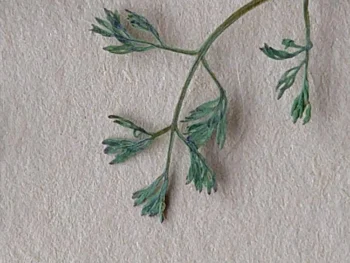
Fineleaf fumitory is a small, herbaceous annual that belongs to the forb family—essentially a non-woody flowering plant that completes its life cycle in one growing season. True to its name, this plant features incredibly fine, feathery foliage that creates an almost smoke-like appearance in the garden. The blue-green leaves are so delicately divided they look like nature’s own lacework.
Originally hailing from the Mediterranean region and parts of Europe, this charming little plant has made itself at home in several U.S. states, including Arizona, California, Florida, Georgia, Oregon, Pennsylvania, and Texas.
- Species observed
- No observations
The Good, The Beautiful, and The Practical
What makes fineleaf fumitory appealing to gardeners? Several things, actually:
- Delicate beauty: Small pink to purple flowers create a soft, romantic effect
- Drought tolerance: Once established, it requires minimal watering
- Pollinator friendly: Attracts small bees and other beneficial insects
- Low maintenance: As an annual, it doesn’t require long-term commitment
- Self-seeding: Will naturalize in suitable conditions
Where Does It Fit in Your Garden?
Fineleaf fumitory works beautifully in several garden settings:
- Mediterranean-style landscapes
- Rock gardens where its delicate texture contrasts nicely with stones
- Xeriscaping projects
- Naturalized meadow areas
- As a ground cover in informal settings
Its low-growing, compact habit makes it perfect for tucking into small spaces or allowing to weave through other plantings.
Growing Fineleaf Fumitory Successfully
The good news? This little plant isn’t fussy. Here’s what it needs to thrive:
Climate: Best suited for USDA hardiness zones 8-11, though as an annual, it can be grown in cooler zones with proper timing.
Light: Prefers full sun to partial shade
Soil: Well-drained soil is essential—it won’t tolerate waterlogged conditions
Water: Drought tolerant once established, requiring minimal irrigation
Planting and Care Tips
- Direct seed in fall or early spring for best results
- Scatter seeds over prepared soil and lightly rake in
- Water gently until germination, then reduce watering
- No fertilization needed—it actually prefers lean soils
- Allow some plants to go to seed if you want natural reseeding
A Word About Native Alternatives
While fineleaf fumitory isn’t invasive or problematic, it’s worth considering that it’s not native to North America. If supporting local ecosystems is important to you, consider these native alternatives that offer similar delicate beauty:
- Wild columbine (Aquilegia canadensis) for eastern regions
- Desert lupine (Lupinus sparsiflorus) for southwestern areas
- Baby blue eyes (Nemophila menziesii) for western coastal regions
The Bottom Line
Fineleaf fumitory offers gardeners a low-maintenance way to add delicate texture and subtle color to their landscapes. While it’s not native, it’s also not aggressive or problematic. Whether you choose to grow it or opt for native alternatives, the key is creating a garden that brings you joy while being mindful of your local ecosystem.
Remember, the best garden is one that reflects your personal style while respecting the environment around it. Fineleaf fumitory can certainly play a role in that balance, especially in Mediterranean-style gardens or areas where you’re seeking that soft, naturalized look.