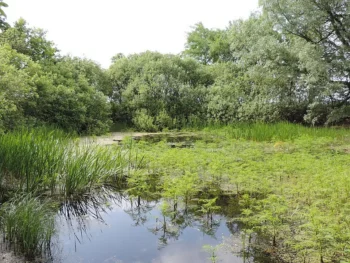
Fineleaf Waterdropwort: A Delicate European Beauty for Your Water Garden
If you’re looking to add some ethereal charm to your water feature, fineleaf waterdropwort (Oenanthe aquatica) might just catch your eye. This delicate perennial brings a touch of European elegance to American gardens, though it comes with some important considerations for the conscientious gardener.
What Exactly Is Fineleaf Waterdropwort?
Fineleaf waterdropwort is a herbaceous perennial that belongs to the carrot family. True to its name, this plant sports incredibly fine, feathery foliage that creates an almost lace-like texture in the garden. During summer, it produces clusters of tiny white flowers arranged in delicate umbels that seem to float above the foliage like miniature fireworks.
As a forb (that’s garden-speak for a non-woody flowering plant), it lacks any significant woody tissue and dies back to the ground each winter, only to emerge again in spring with fresh growth.
Where Does It Come From?
Originally hailing from Europe and western Asia, fineleaf waterdropwort is not a native North American species. It’s considered an introduced plant that has established itself in the wild in a few locations across the United States, specifically in the District of Columbia, Maryland, and Ohio.
- Species observed
- No observations
The Wetland Connection
Here’s where things get interesting – and wet! Fineleaf waterdropwort is classified as an obligate wetland plant across all regions where it grows. This fancy term simply means it almost always needs its feet wet to thrive. We’re talking about a plant that absolutely loves waterlogged conditions and won’t be happy in your average garden bed.
Should You Grow It?
The answer depends on your specific gardening situation and philosophy. Since fineleaf waterdropwort isn’t native to North America, you might want to consider some beautiful native alternatives first. However, if you’re specifically drawn to its unique aesthetic and have the right growing conditions, it can be a charming addition to water features.
The Good:
- Stunning fine-textured foliage that adds delicate beauty to water gardens
- Small white flowers provide nectar for various pollinators
- Thrives in challenging wet conditions where other plants struggle
- Perennial nature means it returns year after year
The Considerations:
- Not native to North America, so it doesn’t support local ecosystems as well as native plants
- Very specific growing requirements limit where it can be planted
- May spread in suitable wetland conditions
Native Alternatives to Consider
Before committing to fineleaf waterdropwort, consider these gorgeous native options that offer similar wetland beauty:
- Wild bergamot (Monarda fistulosa) for pollinator appeal
- Cardinal flower (Lobelia cardinalis) for dramatic color
- Blue flag iris (Iris versicolor) for elegant form
- Swamp milkweed (Asclepias incarnata) for butterfly support
Growing Fineleaf Waterdropwort Successfully
If you decide to grow this European beauty, here’s what you need to know:
Growing Conditions:
- Light: Full sun to partial shade
- Soil: Must be consistently wet to waterlogged
- Hardiness: USDA zones 4-8
- Water: Constant moisture is non-negotiable
Planting and Care Tips:
- Plant in shallow water (1-3 inches deep) or in saturated bog-like conditions
- Choose locations near ponds, water features, or naturally wet areas
- Allow space for the delicate foliage to spread and show off its texture
- Minimal fertilization needed – these plants are adapted to nutrient-poor wetland conditions
- Cut back spent flower heads to prevent unwanted self-seeding
- Monitor for spread and contain if necessary
The Bottom Line
Fineleaf waterdropwort can be a beautiful addition to the right water garden, but it’s worth weighing the benefits of supporting native plant communities first. If you have a specific need for this plant’s unique aesthetic and can provide the constantly wet conditions it requires, it can thrive in zones 4-8. Just remember to be a responsible gardener by monitoring its spread and considering the native alternatives that could provide similar beauty while supporting local wildlife.
Whatever you choose, your water garden will be a more interesting and dynamic space for the thoughtful plant selections you make!