Finger Sprangletop: A Wetland Grass for Specialized Gardens
If you’re looking for a grass that thrives in soggy conditions where most plants fear to tread, finger sprangletop (Leptochloa digitata) might catch your attention. This perennial grass has carved out a very specific niche in the gardening world, though it comes with some important considerations for conscientious gardeners.
What is Finger Sprangletop?
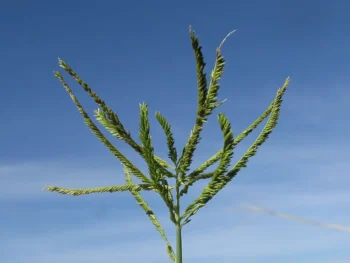
Finger sprangletop is a grass-like perennial that belongs to the Poaceae family. True to its common name, this plant produces delicate, finger-like seed heads that give it a distinctive appearance. As a graminoid (the fancy term for grass and grass-like plants), it has that classic linear leaf structure you’d expect from a grass.
The Native Status Question
Here’s where things get a bit complicated. Finger sprangletop is not native to the United States – it’s an introduced species that has established itself and now reproduces on its own in the wild. While it’s not currently classified as invasive or noxious, its non-native status means it doesn’t provide the same ecological benefits as our homegrown plants.
Where You’ll Find It Growing
Currently, finger sprangletop has been documented growing in South Carolina, though it may be present in other southeastern states. This limited distribution suggests it has very specific growing requirements that aren’t met everywhere.
- Species observed
- No observations
A Plant That Lives for Water
If finger sprangletop could talk, it would probably say the wetter, the better! This grass is classified as an obligate wetland species in the Atlantic and Gulf Coastal Plain region, which means it almost always occurs in wetlands. Think of it as the aquatic equivalent of a desert cactus – perfectly adapted to its preferred environment but struggling anywhere else.
Garden Role and Aesthetic Appeal
Finger sprangletop offers a fine-textured, delicate appearance with its characteristic finger-like seed heads creating an airy, almost ethereal quality. In the right setting, it can add movement and texture to water features or consistently moist areas of your landscape.
Growing Conditions and Care
Success with finger sprangletop depends entirely on meeting its moisture requirements:
- Soil: Consistently wet to saturated conditions
- Light: Full sun to partial shade
- Hardiness: Likely suitable for USDA zones 8-11
- Maintenance: Minimal once established in proper conditions
The key to success is ensuring the soil never dries out. This makes it suitable for bog gardens, rain gardens, pond margins, or areas with poor drainage that stay consistently moist.
Should You Plant It?
The decision to plant finger sprangletop depends on your specific needs and gardening philosophy. While it’s not invasive, its non-native status means it won’t support local ecosystems the way native plants do. If you have a wet area that needs plant coverage and you’re not finding success with native options, finger sprangletop could work. However, consider exploring native wetland grasses first – they’ll provide better wildlife habitat and support local pollinators and other beneficial insects.
Native Alternatives to Consider
Before settling on finger sprangletop, explore these native wetland grasses that might serve similar purposes:
- Native Leersia species (cutgrass)
- Panicum species native to your region
- Local sedges (Carex species)
- Native rushes (Juncus species)
The Bottom Line
Finger sprangletop fills a very specific niche for gardeners dealing with consistently wet conditions. While it’s not problematic as an invasive species, its non-native status means it’s not the best choice for supporting local wildlife. If you decide to grow it, ensure you can meet its constant moisture requirements, and consider pairing it with native wetland plants to create a more ecologically valuable landscape.
Remember, the best garden plants are usually those that naturally want to grow in your specific conditions – and ideally, those that evolved alongside your local wildlife!