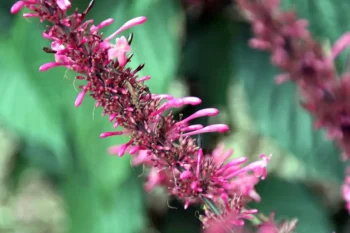
Firespike: A Tropical Beauty for Warm Climate Gardens
If you’re looking to add some serious tropical flair to your garden, firespike (Odontonema tubiforme) might just be the showstopper you’ve been searching for. This eye-catching perennial shrub brings vibrant red-orange blooms and lush foliage to landscapes in the warmest parts of the United States.
What is Firespike?
Firespike is a multi-stemmed shrub that typically grows 4-6 feet tall and wide, though it can reach up to 13 feet in ideal conditions. This perennial plant produces glossy, dark green leaves and spectacular spikes of tubular red-orange flowers that seem to glow like flames – hence the common name firespike.
You might also see this plant listed under its botanical synonyms Odontonema strictum or Thyrsacanthus strictus in older gardening references.
Where Does Firespike Grow?
Originally from Central America and northern South America, firespike has found its way into gardens across Florida, Hawaii, and Puerto Rico. This non-native plant has established itself in these warm regions where it reproduces naturally in the wild.
- Species observed
- No observations
Why Consider Growing Firespike?
There are several compelling reasons gardeners in warm climates might want to add firespike to their landscapes:
- Stunning flowers: The bright red-orange tubular blooms create dramatic vertical accents and bloom for extended periods
- Pollinator magnet: Hummingbirds and butterflies absolutely love the nectar-rich flowers
- Low maintenance: Once established, it’s relatively easy to care for
- Tropical appeal: Perfect for creating that lush, exotic garden look
Growing Conditions and Care
Firespike thrives in USDA hardiness zones 9b through 11, making it suitable only for the warmest parts of the country. Here’s what this tropical beauty needs to flourish:
Light and Location
Plant firespike in partial shade to full sun locations. While it can handle full sun, some afternoon shade in extremely hot climates will help prevent stress.
Soil and Water Requirements
This shrub prefers moist, well-draining soil and doesn’t tolerate drought well once established. Based on its wetland status, firespike generally prefers upland conditions rather than consistently wet soils, though it can adapt to slightly moist conditions in Hawaii.
Planting and Maintenance Tips
- Space plants 3-4 feet apart to allow for mature size
- Water regularly, especially during dry spells
- Prune after flowering to maintain shape and size
- Protect from cold temperatures and frost
- Apply mulch around the base to retain moisture
Landscape Uses
Firespike works beautifully as:
- A focal point in tropical garden beds
- Background plantings in mixed borders
- Butterfly and hummingbird garden centerpieces
- Privacy screening when planted in groups
Important Considerations
While firespike isn’t currently listed as invasive, it’s worth noting that this non-native plant can self-seed and naturalize in suitable climates. Responsible gardening means being mindful of how plants might spread beyond your garden boundaries.
Native Alternatives to Consider
If you’re interested in supporting local ecosystems with native plants that offer similar benefits, consider these alternatives:
- In Florida: Wild coffee (Psychotria nervosa) or Firebush (Hamelia patens)
- In Hawaii: Native hibiscus species or other indigenous flowering shrubs
- In Puerto Rico: Native Anthurium species or indigenous flowering plants
The Bottom Line
Firespike can be a stunning addition to warm-climate gardens, especially if you’re aiming for that tropical paradise look and want to attract hummingbirds and butterflies. Just remember to plant responsibly, keep an eye on its spread, and consider incorporating native alternatives alongside non-native beauties like firespike for the healthiest, most balanced landscape possible.
With proper care and the right growing conditions, this fiery-flowered shrub will reward you with months of spectacular blooms and plenty of pollinator visitors to enjoy.