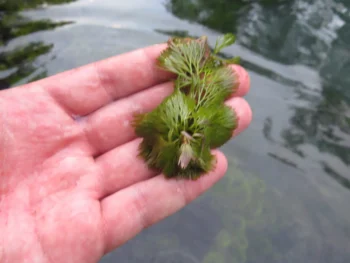
Fish-Grass: A Delicate Aquatic Beauty for Water Gardens
If you’ve been dreaming of adding some underwater elegance to your pond or water garden, you might have stumbled across Fish-Grass (Cabomba palaeformis). This feathery aquatic plant brings a unique texture to water features, but before you dive in, let’s explore what makes this plant special and whether it’s the right choice for your aquatic landscape.
What Exactly Is Fish-Grass?
Fish-Grass is a perennial forb that lives its entire life submerged in water. Think of it as the underwater equivalent of a delicate fern – it produces beautifully divided, feathery leaves that create an almost ethereal underwater forest. This obligate wetland plant simply cannot survive outside of aquatic environments, making it a true water specialist.
Where You’ll Find Fish-Grass Growing
Currently, Fish-Grass has established itself in Florida waters. As a non-native species that was introduced from elsewhere, it has managed to naturalize and reproduce on its own in the wild. While it’s only documented in Florida within the United States, its presence there shows it can adapt to suitable aquatic habitats.
- Species observed
- No observations
The Good, The Bad, and The Beautiful
Why you might love it:
- Creates stunning underwater texture with its finely divided leaves
- Provides shelter and hiding spots for fish and aquatic creatures
- Adds movement and flow to static water features
- Relatively easy to establish once you understand its needs
Why you might want to think twice:
- As a non-native species, it doesn’t support local ecosystems like native plants do
- Limited information about its long-term behavior in new environments
- May compete with native aquatic plants for space and resources
Growing Fish-Grass Successfully
If you decide Fish-Grass is right for your water garden, here’s how to help it thrive:
Water Requirements: This plant must be completely submerged – there’s no negotiating with this water-lover! It performs best in clean, still to slow-moving water.
Light Needs: Provide bright, indirect light or partial sun. Too much direct sunlight can promote algae growth that competes with your Fish-Grass.
Planting Tips: Anchor the stems in substrate at the bottom of your pond or container. The plant will root itself and begin spreading through runners or stem fragments.
Maintenance and Care
Fish-Grass is relatively low-maintenance once established, but keep these points in mind:
- Trim back overgrown sections to maintain the desired shape
- Monitor for algae buildup on the delicate leaves
- Ensure good water circulation without creating strong currents
- Remove any dead or decaying plant material promptly
Consider Native Alternatives
While Fish-Grass can be beautiful, consider exploring native aquatic plants that provide similar aesthetic appeal while supporting local wildlife. Native alternatives often require less maintenance and integrate better with existing ecosystems. Research native submerged aquatic plants in your specific region for options that might work just as well.
The Bottom Line
Fish-Grass offers undeniable beauty for water gardens and aquatic landscapes. Its feathery, delicate appearance creates wonderful underwater scenery that both fish and human observers can appreciate. However, as a responsible gardener, weigh the aesthetic benefits against the ecological considerations of introducing non-native species to your landscape. Whatever you choose, ensure you’re preventing any plant material from escaping into natural waterways, and always research native alternatives that might serve your needs just as well.