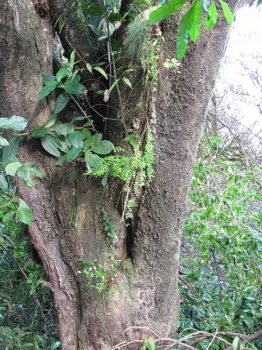
Fishtail Swordfern: A Distinctive Non-Native Fern for Warm Climate Gardens
If you’re looking for a fern that stands out from the crowd, the fishtail swordfern (Nephrolepis falcata) might just catch your eye. This tropical beauty gets its memorable name from the unique forked tips at the ends of its leaflets, which resemble tiny fishtails dancing in the breeze. While it’s not native to North American gardens, this Southeast Asian species has found its way into landscapes across Florida and Hawaii, where it’s made itself quite at home.
What Makes the Fishtail Swordfern Special?
The fishtail swordfern is a perennial fern that produces large, arching fronds with a distinctly elegant appearance. Unlike many of its sword fern relatives, this species sports those characteristic forked leaflet tips that give it both its common name and its unique visual appeal. The fronds can create a lush, tropical backdrop in any garden setting, making it a popular choice for gardeners wanting to add some exotic flair to their landscape.
As a member of the fern family, this plant reproduces through spores rather than flowers, which means it won’t contribute to pollinator gardens. However, it more than makes up for this with its stunning foliage and ability to thrive in shaded areas where many other plants struggle.
Where You’ll Find It Growing
Originally from Southeast Asia, particularly Malaysia and surrounding regions, the fishtail swordfern has established itself in warmer parts of the United States. Currently, you’ll find it growing in Florida and Hawaii, where the warm, humid climate suits its tropical nature perfectly.
- Species observed
- No observations
This fern has a facultative upland wetland status, meaning it usually prefers non-wetland conditions but can tolerate some moisture. It’s quite adaptable and can thrive in various garden situations as long as its basic needs are met.
Is This Fern Right for Your Garden?
The fishtail swordfern works beautifully in several garden settings:
- Tropical and subtropical landscape designs
- Shaded garden areas where other plants might struggle
- Container gardens on patios or decks
- Indoor houseplant collections
- Ground cover in consistently moist, shaded areas
However, there are a few things to consider before adding this fern to your garden. Since it’s non-native, you might want to explore native fern alternatives first, especially if you’re focused on supporting local ecosystems. Native options like Christmas fern or royal fern can provide similar aesthetic benefits while supporting local wildlife.
Growing Conditions and Care
If you decide to grow fishtail swordfern, you’ll need to recreate its preferred tropical conditions:
Climate Requirements: This fern is only hardy in USDA zones 9-11, making it unsuitable for areas that experience frost. In cooler climates, it works wonderfully as a container plant that can be brought indoors during winter.
Light Preferences: Partial to full shade is ideal. Direct sunlight can scorch the delicate fronds, so find a spot that gets filtered light or morning sun with afternoon shade.
Soil and Water Needs: Well-draining soil that stays consistently moist (but not waterlogged) is essential. The fern appreciates high humidity, so consider misting regularly or placing it near other plants to create a more humid microclimate.
Planting and Care Tips
Getting your fishtail swordfern established and keeping it happy requires attention to its tropical origins:
- Water regularly to keep soil consistently moist but never soggy
- Provide protection from strong winds that can damage the fronds
- Fertilize monthly during the growing season with a balanced, diluted fertilizer
- Remove any brown or damaged fronds to keep the plant looking its best
- If growing in containers, ensure adequate drainage holes
- Increase humidity through misting or grouping with other plants
The Bottom Line
The fishtail swordfern is undeniably attractive and can add tropical elegance to warm climate gardens. While it’s established itself successfully in Florida and Hawaii, gardeners should consider native alternatives when possible to support local ecosystems. If you do choose to grow this distinctive fern, providing the right conditions—shade, consistent moisture, and protection from cold—will reward you with those beautiful, uniquely tipped fronds that make this species so memorable.
Whether you’re creating a tropical paradise in your backyard or looking for an interesting houseplant, the fishtail swordfern offers something a little different from the usual garden fare. Just remember to give it the warm, humid conditions it craves, and it’ll reward you with years of distinctive beauty.