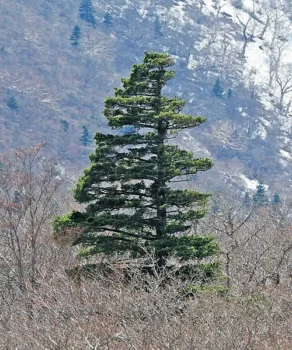
Five-Needle Pine: A Graceful Addition to Your Garden Landscape
If you’ve ever admired the elegant, somewhat whimsical appearance of a well-placed conifer in a garden, you might want to get acquainted with the five-needle pine (Pinus parviflora). Also known as Japanese white pine, this distinctive evergreen brings a touch of refined beauty to landscapes with its unique needle arrangement and graceful growth habit.
What Makes Five-Needle Pine Special?
As the name suggests, this pine’s claim to fame is its clusters of five needles bundled together, creating a soft, almost feathery texture that sets it apart from other pines. The blue-green to silvery-green foliage catches light beautifully throughout the seasons, while the tree’s naturally irregular branching pattern develops into an increasingly picturesque form as it matures.
Origins and Natural Range
Five-needle pine hails from the mountainous regions of Japan and South Korea, where it has adapted to well-draining soils and variable weather conditions. While it’s not native to North America, it has found a comfortable home in many gardens across the continent.
Garden Design Potential
This versatile conifer shines in several landscape applications:
- Specimen plantings where its unique form can be fully appreciated
- Japanese-style gardens where it provides authentic character
- Rock gardens and mixed conifer collections
- Bonsai cultivation for those interested in the art form
- Accent trees in residential landscapes
Growing Conditions and Care
Five-needle pine is relatively accommodating when it comes to growing conditions, though it does have some preferences:
Climate: Hardy in USDA zones 4-7, making it suitable for much of the northern United States and southern Canada.
Soil: Prefers well-draining, slightly acidic soil. Poor drainage can lead to root problems, so ensure your planting site doesn’t collect standing water.
Light: Performs best in full sun but tolerates partial shade, though growth may be slower in shadier locations.
Water: Once established, it’s relatively drought-tolerant but appreciates consistent moisture during dry spells.
Planting and Maintenance Tips
Getting your five-needle pine off to a good start is fairly straightforward:
- Plant in spring or fall when temperatures are moderate
- Dig a hole as deep as the root ball but twice as wide
- Apply a 2-3 inch layer of mulch around the base, keeping it away from the trunk
- Water regularly during the first year while roots establish
- Minimal pruning is needed – this tree looks best when allowed to develop naturally
- Protect young trees from strong winds until they’re well-established
Wildlife and Ecosystem Value
While five-needle pine doesn’t provide the same level of wildlife support as native conifers, it does offer some benefits. Birds may use its branches for shelter and nesting, and the seeds can provide food for various wildlife species.
Consider Native Alternatives
If you’re interested in supporting local ecosystems, consider these native pine alternatives that offer similar aesthetic appeal:
- Eastern white pine (Pinus strobus) for eastern regions
- Western white pine (Pinus monticola) for western areas
- Limber pine (Pinus flexilis) for high-altitude locations
The Bottom Line
Five-needle pine brings a distinctive elegance to landscapes with its unique needle clusters and graceful form. While it’s not native to North America, it’s well-behaved in the garden and won’t cause ecological problems. If you’re drawn to its particular aesthetic and can provide the growing conditions it prefers, it can be a delightful addition to your landscape. Just remember that native alternatives might better serve local wildlife while providing similar visual appeal.
Whether you choose five-needle pine or opt for a native species, the key to success lies in understanding your plant’s needs and providing appropriate care during establishment. Happy gardening!