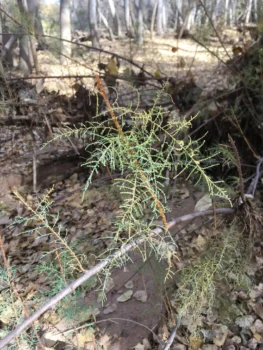
Five-Stamen Tamarisk: A Controversial Choice for Your Garden
The five-stamen tamarisk (Tamarix chinensis) is one of those plants that sparks passionate debates among gardeners and ecologists alike. With its delicate, feathery foliage and cloud-like clusters of tiny flowers, this shrub certainly has visual appeal. But before you fall head over heels for this Asian beauty, there are some important things you should know about welcoming it into your landscape.
What Exactly Is Five-Stamen Tamarisk?
Five-stamen tamarisk is a perennial shrub that typically grows as a multi-stemmed woody plant, usually staying under 13 to 16 feet tall, though it can sometimes stretch taller or develop a single trunk depending on growing conditions. Originally hailing from Asia, this non-native species has made itself quite at home across much of the United States, establishing wild populations from coast to coast.
You might also see this plant listed under its scientific synonyms Tamarix juniperina or Tamarix pentandra, which can make plant shopping a bit confusing!
Where You’ll Find It Growing
This adaptable shrub has spread throughout numerous states including Arizona, Arkansas, California, Colorado, Montana, Nevada, New Mexico, North Carolina, Ohio, Oklahoma, Oregon, Texas, Utah, and Wyoming. It’s particularly drawn to areas near water sources, though it’s surprisingly drought-tolerant once established.
- Species observed
- No observations
The Wet and Dry of It All
Here’s where things get interesting with five-stamen tamarisk’s relationship with water. Depending on where you live, this plant behaves differently:
- In arid western regions, it’s equally happy in wet or dry spots
- In the Atlantic and Gulf coastal areas, the Great Plains, Eastern Mountains, and Midwest, it usually prefers wetland conditions but can tolerate drier sites
- In the northern central and northeastern regions, as well as western mountains and coasts, it’s flexible about moisture levels
The Good, The Bad, and The Beautiful
Let’s be honest about the appeal here. Five-stamen tamarisk offers some genuinely attractive features:
- Delicate, scale-like blue-green to gray-green foliage that creates a soft, wispy texture
- Clusters of small pink to white flowers that bloom in spring and summer
- Extremely tough and drought-tolerant once established
- Thrives in poor soils and salty conditions where other plants struggle
- Provides some benefits to pollinators, particularly bees
However, there’s a significant downside to consider. While the specific invasive status of this particular species isn’t definitively classified, tamarisk plants as a group are known for their aggressive spreading habits, particularly in riparian (waterside) areas of the western United States. They can outcompete native vegetation and alter local ecosystems.
Growing Conditions and Care
If you do decide to grow five-stamen tamarisk, you’ll find it refreshingly low-maintenance. This shrub is hardy in USDA zones 4-9 and adapts to a wide range of conditions:
- Soil: Tolerates poor, sandy, or salty soils
- Water: Drought-tolerant once established, but can handle wet conditions too
- Sun: Prefers full sun
- Maintenance: Minimal care needed after establishment
The main challenge with this plant isn’t keeping it alive—it’s keeping it contained! Regular pruning can help manage its size and spread.
Should You Plant It?
This is where we get into tricky territory. While five-stamen tamarisk isn’t officially listed as invasive or noxious in our database, the tamarisk family has a reputation for aggressive spreading, especially near waterways. If you live in the western United States, you might want to think twice before planting it.
Instead, consider these native alternatives that offer similar benefits:
- Saltbush (Atriplex species) for salt tolerance
- Desert willow (Chilopsis linearis) for delicate foliage and flowers
- Four o’clock bush (Mirabilis multiflora) for drought tolerance
- Native willows (Salix species) for riparian areas
The Bottom Line
Five-stamen tamarisk is undeniably tough and beautiful, with an ability to thrive where many plants fear to grow. But with great adaptability comes great responsibility. If you choose to grow this plant, be mindful of its spreading potential and consider whether a native alternative might serve your landscape goals just as well while supporting local ecosystems.
Remember, the best garden choices are those that bring you joy while being good neighbors to the plants and wildlife that were there first!