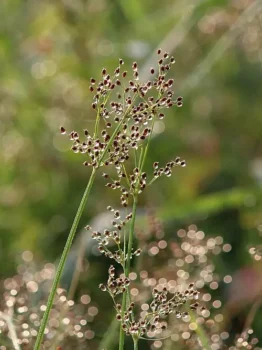
Fiveangle Fimbry: A Modest Native Sedge for Wetland Gardens
If you’re looking to create authentic wetland habitat in your Puerto Rican garden, you might want to get acquainted with fiveangle fimbry (Fimbristylis quinquangularis). This unassuming little sedge won’t win any beauty contests, but it plays an important ecological role in wet areas and offers some unique benefits for the right gardening situation.
What is Fiveangle Fimbry?
Fiveangle fimbry is a native annual sedge that belongs to the grass-like plant family. Don’t let the grass-like description fool you into thinking it’s actually a grass – sedges have their own distinct characteristics that set them apart. This particular species goes by the scientific name Fimbristylis quinquangularis, though you might also see it listed under some older names like Fimbristylis miliacea or Scirpus quinquangularis in older gardening references.
Where Does It Grow Naturally?
This modest sedge calls Puerto Rico home, where it thrives in the island’s wetland areas. As a facultative wetland plant, fiveangle fimbry usually shows up in wet spots but can occasionally pop up in drier areas too – though it’s much happier with its feet wet.
- Species observed
- No observations
Should You Grow Fiveangle Fimbry?
Here’s the honest truth: fiveangle fimbry isn’t going to be the star of your garden show. This annual sedge is more of a supporting actor than a leading lady. However, there are some compelling reasons why you might want to include it in your landscape:
- Authentic native habitat: If you’re creating a true Puerto Rican wetland garden, this species belongs there
- Erosion control: Those grass-like roots help stabilize wet soil
- Low maintenance: Once established, it pretty much takes care of itself
- Wildlife habitat: Provides cover and nesting material for small wetland creatures
- Naturalistic appeal: Perfect for wild, unmanicured garden styles
What Does It Look Like?
Let’s be real – fiveangle fimbry isn’t winning any aesthetic awards. This small sedge produces thin, grass-like leaves and tiny brown flower clusters that are more functional than beautiful. Think of it as the practical work boots of the plant world: not glamorous, but gets the job done.
Growing Conditions and Care
If you’re thinking about adding fiveangle fimbry to your garden, here’s what it needs to thrive:
Climate Requirements
- USDA Hardiness Zones: 9-11 (tropical and subtropical climates)
- Temperature: Warm climates year-round
Soil and Water Needs
- Moisture: Moist to wet soil conditions
- Tolerance: Can handle periodic flooding
- Soil type: Adapts to various soil types as long as they stay moist
Light Requirements
- Sun exposure: Full sun to partial shade
- Best performance: Bright conditions with consistent moisture
Where to Use Fiveangle Fimbry in Your Landscape
This specialized little sedge works best in very specific garden situations:
- Rain gardens: Helps manage stormwater runoff
- Bog gardens: Adds authentic wetland character
- Pond margins: Creates natural transitions between water and land
- Wetland restoration: Essential for recreating native habitat
- Low-lying wet spots: Makes use of problem areas in the landscape
Planting and Establishment
Since fiveangle fimbry is an annual, it relies on seeds to return each year. The good news is that once you get it established, it often self-seeds readily in suitable conditions. You can scatter seeds directly in wet areas during the growing season, and nature will typically take care of the rest.
The Bottom Line
Fiveangle fimbry isn’t for every garden or every gardener. If you’re after showy flowers or dramatic foliage, keep looking. But if you’re committed to creating authentic native wetland habitat, managing wet areas in your landscape, or supporting local ecosystems, this humble sedge deserves a spot in your plant palette. Sometimes the most important plants are the ones that work quietly behind the scenes, and fiveangle fimbry is definitely one of those unsung heroes of the wetland garden.
Just remember – this plant needs wet feet to be happy, so save it for those soggy spots where other plants might struggle. In the right conditions, it’ll reward your patience by returning year after year and gradually building a more authentic piece of Puerto Rican wetland habitat right in your own backyard.