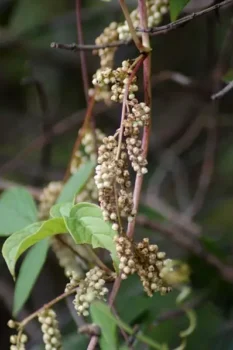
Fiveleaf Yam: A Tropical Climbing Vine for Warm Climate Gardens
Meet the fiveleaf yam (Dioscorea pentaphylla), a perennial climbing vine that’s been making itself at home in tropical gardens across the Pacific. Also known as pi`a in some regions, this interesting plant brings a touch of lush, tropical foliage to gardens in the warmest climates.
What Makes Fiveleaf Yam Special?
The fiveleaf yam is a forb herb – essentially a vascular plant without significant woody tissue that climbs and spreads through herbaceous growth. What sets it apart is its distinctive compound leaves, typically featuring five leaflets that create an attractive, palmate pattern. As a perennial, it returns year after year in suitable climates, making it a reliable addition to tropical landscapes.
Where You’ll Find It Growing
This vine has established itself in Hawaii, Guam, and Palau, where it reproduces naturally in the wild. Originally from tropical Asia and Pacific islands, fiveleaf yam has adapted well to these new homes and tends to persist once established.
- Species observed
- No observations
Garden Appeal and Landscape Use
Fiveleaf yam offers several attractive qualities for the right garden setting:
- Lush, tropical foliage that creates excellent green screening
- Fast-growing climbing habit perfect for covering fences, trellises, or pergolas
- Distinctive five-leaflet compound leaves that add textural interest
- Low-maintenance once established
This vine works particularly well in tropical and subtropical garden designs where you want to create privacy screens, add vertical interest, or establish that coveted jungle aesthetic.
Growing Conditions and Climate Requirements
Fiveleaf yam thrives in warm, humid conditions and is suited for USDA hardiness zones 9-11. In Hawaii, it’s classified as a facultative upland plant, meaning it usually grows in non-wetland areas but can tolerate some moisture.
For successful growing, provide:
- Warm temperatures year-round (frost will damage or kill the plant)
- Partial shade to full sun exposure
- Well-draining soil
- Regular watering, especially during dry periods
- A sturdy support structure for climbing
Planting and Care Tips
Growing fiveleaf yam is relatively straightforward in suitable climates:
- Plant tubers in spring after the last frost risk has passed
- Provide a trellis, fence, or other climbing support from the start
- Water regularly but ensure good drainage to prevent root rot
- In container gardens, choose a large pot with drainage holes
- Gardeners in cooler climates can grow it as an annual or bring containers indoors during winter
Wildlife and Ecological Considerations
While fiveleaf yam produces small, inconspicuous flowers, it offers limited benefits to pollinators compared to native flowering plants. The foliage may provide some shelter for small creatures, but its ecological value is modest.
Should You Plant Fiveleaf Yam?
Fiveleaf yam can be a perfectly acceptable choice for tropical gardens where you need fast-growing, climbing foliage. However, since it’s not native to these regions, consider exploring native climbing vines first. Native alternatives often provide better support for local wildlife and are naturally adapted to local growing conditions.
If you do choose to grow fiveleaf yam, it’s a relatively easy and attractive option that will give you the lush, tropical look you’re after – just make sure you’re prepared for its vigorous growing habit and climbing needs!