Flamegold Tree: A Showy Non-Native Addition to Southern Gardens
Looking for a tree that puts on quite the show? Meet the flamegold tree (Koelreuteria elegans formosana), a striking ornamental that’s been making itself at home in southern landscapes. While it’s not a native to our shores, this Asian beauty has certainly caught the attention of gardeners across the Gulf Coast states.
What Makes Flamegold Special?
The flamegold tree is a real showstopper when it comes to visual appeal. In summer, it bursts into bloom with clusters of small, bright yellow flowers that create a spectacular golden canopy. But the real magic happens after the flowers fade – the tree produces papery seed pods that start out pink and mature to a rusty red color, giving the tree its flame moniker. These eye-catching pods can persist well into fall, extending the ornamental season.
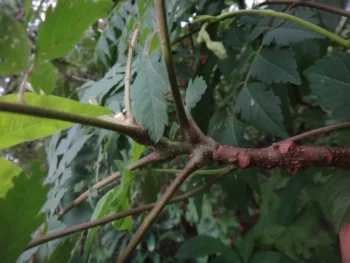
This perennial tree typically grows as a single-trunked specimen, reaching heights of 13-16 feet or more under ideal conditions. Its compound leaves provide nice texture and dappled shade, making it an attractive choice for residential landscapes.
Where You’ll Find Flamegold Growing
Originally hailing from Taiwan and southern China, flamegold has established itself in several southern U.S. states. You’ll find it growing in Florida, Louisiana, Mississippi, and Texas, where it reproduces on its own and has become naturalized in the landscape.
- Species observed
- No observations
Garden Role and Landscape Uses
Flamegold works beautifully as:
- A specimen tree in residential yards
- An ornamental shade tree for patios and seating areas
- A colorful addition to urban landscapes and parks
- A conversation starter with its unique seed pods
Growing Conditions and Care
One of flamegold’s best qualities is its relatively low-maintenance nature. Here’s what this tree needs to thrive:
Climate: Hardy in USDA zones 9-11, making it perfect for the warm southern climate
Sunlight: Performs best in full sun locations
Soil: Prefers well-drained soils but is quite adaptable to different soil types
Water: Drought tolerant once established, though regular watering during the first year helps it get settled
Planting and Care Tips
- Plant in spring or fall when temperatures are moderate
- Water regularly during the establishment period (first year)
- Prune during winter dormancy to maintain shape
- Very low maintenance once established
- Watch for the spectacular flower and seed pod display each year
Pollinator and Wildlife Considerations
The summer flowers do attract bees and other pollinators, adding some ecological value to your landscape during bloom time.
Should You Plant Flamegold?
While flamegold can be an attractive addition to southern landscapes, it’s worth noting that it’s not native to the United States. If you’re looking to support local ecosystems, you might consider native alternatives that provide similar ornamental value while supporting native wildlife.
Some native alternatives to consider include:
- Red buckeye (Aesculus pavia) for showy flowers
- American beautyberry (Callicarpa americana) for colorful fruits
- Redbud (Cercis canadensis) for early spring blooms
That said, if you’re drawn to flamegold’s unique aesthetic and you’re in zones 9-11, it can make a lovely ornamental tree that’s relatively easy to grow and maintain. Just remember that supporting native plants when possible helps create healthier, more sustainable landscapes for our local wildlife.