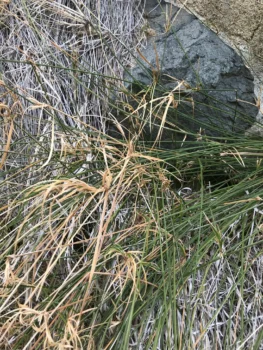
Flatsedge (Cyperus dioicus): A Lesser-Known Sedge Worth Understanding
If you’ve stumbled across the name flatsedge or Cyperus dioicus in your gardening research, you might be wondering what exactly this plant is and whether it deserves a spot in your landscape. Well, you’re not alone in your curiosity – this particular sedge is something of a botanical mystery that even experienced gardeners might not be familiar with.
What We Know About Flatsedge
Cyperus dioicus belongs to the sedge family (Cyperaceae), making it a grass-like plant that’s related to more familiar garden sedges. Like its cousins, it’s a monocot with the characteristic triangular stems that many sedges are known for. The name flatsedge gives us a hint about its appearance, suggesting it may have flattened or compressed growth characteristics typical of many Cyperus species.
The Information Gap
Here’s where things get a bit tricky – and honestly, a little frustrating for those of us who love to dig deep into plant details. Comprehensive information about Cyperus dioicus is surprisingly scarce in standard botanical databases and gardening resources. This could mean a few things:
- It might be a very specialized or regionally specific species
- The name could be outdated or represent a synonym for another species
- It may be so uncommon that it hasn’t made it into popular gardening literature
Geographic Distribution and Native Status
Unfortunately, the geographic range and native status of this particular flatsedge remain unclear from available sources. This lack of information makes it challenging to provide specific recommendations about where and how to grow it.
A Gardener’s Dilemma
So, should you plant it? Here’s my honest take: when information about a plant’s native status, growing requirements, and ecological impact is limited or unknown, it’s generally wise to proceed with caution. This is especially true if you’re committed to native gardening or concerned about potentially introducing problematic species to your landscape.
Better-Known Alternatives
If you’re drawn to sedges for your garden (and honestly, who wouldn’t be – they’re fantastic plants!), consider these well-documented alternatives:
- Carex species native to your region
- Other Cyperus species with known growing requirements
- Native rushes (Juncus species) for similar aesthetic appeal
The Bottom Line
While Cyperus dioicus might be a perfectly lovely plant, the lack of readily available information makes it difficult to recommend with confidence. If you do encounter this species, whether through specialty nurseries or botanical collections, approach it with the curiosity it deserves – but also with the caution that unknown plants warrant.
Sometimes the most responsible thing we can do as gardeners is to admit when we simply don’t know enough about a plant to make informed recommendations. In those cases, sticking with well-documented native species is usually the safest bet for both your garden’s success and your local ecosystem’s health.
Have you encountered Cyperus dioicus in your gardening adventures? If so, we’d love to hear about your experiences – every bit of real-world knowledge helps fill in these botanical gaps!