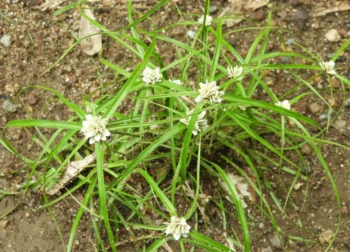
Flatsedge (Cyperus tenerrimus): A Mystery Plant Worth Investigating
If you’ve stumbled across the name flatsedge or Cyperus tenerrimus in your native plant research, you might be scratching your head trying to find solid information about this particular species. You’re not alone! This sedge presents quite the botanical puzzle that’s worth exploring.
The Mystery Behind the Name
Cyperus tenerrimus falls into that tricky category of plant names that botanists call problematic. While the name exists in some plant lists and databases, finding concrete, reliable information about this specific species proves surprisingly difficult. This could mean several things:
- The name may be outdated or no longer recognized in current botanical classification
- It might be a regional common name applied to different sedge species
- Records of this plant could be extremely limited or poorly documented
What We Do Know
Based on the botanical name structure, Cyperus tenerrimus would belong to the sedge family (Cyperaceae) – those wonderful grass-like plants that form the backbone of many wetland ecosystems. The genus Cyperus includes many species commonly called flatsedges, which are typically characterized by their triangular stems and distinctive flower clusters.
Geographic Distribution Uncertainty
Unfortunately, the geographic range and native status of Cyperus tenerrimus remains unclear due to limited documentation. Without reliable distribution data, it’s impossible to determine where this plant naturally occurs or whether it would be appropriate for your local native garden.
A Better Approach: Well-Documented Native Sedges
Rather than trying to track down this elusive species, consider these well-researched native flatsedge alternatives that offer proven benefits for wildlife and gardens:
- Yellow flatsedge (Cyperus esculentus) – Excellent for wet areas and bird habitat
- Fragrant flatsedge (Cyperus odoratus) – Aromatic foliage and striking seed heads
- Baldwin’s flatsedge (Cyperus croceus) – Beautiful orange-brown flower clusters
- Purple flatsedge (Cyperus rotundus) – Note: This one can be weedy, so research carefully!
The Importance of Accurate Plant Identification
This situation highlights why proper plant identification matters so much in native gardening. When species information is unclear or contradictory, you might end up:
- Purchasing the wrong plant for your garden’s needs
- Missing out on better-documented native alternatives
- Inadvertently introducing problematic species
What Should You Do?
If you’re specifically interested in Cyperus tenerrimus, here’s your best bet:
- Contact your local native plant society or botanical garden
- Reach out to university extension services in your area
- Consult with regional botanists or herbarium experts
- Focus on well-documented native sedge species for your garden
Sometimes the most honest answer in native gardening is we need more information. While Cyperus tenerrimus remains a botanical mystery, the sedge family offers plenty of fantastic, well-studied native options that will bring beauty and ecological value to your landscape. When in doubt, choose the plants we know will thrive and support local wildlife – your garden (and the creatures that visit it) will thank you!