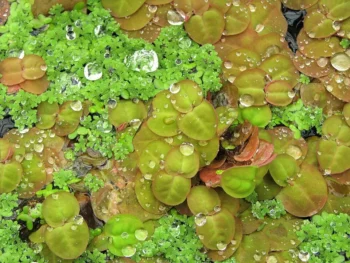
Floating Spurge: An Aquatic Plant for Water Gardens
If you’re looking to add some aquatic interest to your water garden, you might have come across floating spurge (Phyllanthus fluitans). This small aquatic plant, also known as redroot floater, has found its way into Florida’s waterways and might catch the eye of water gardening enthusiasts.
What is Floating Spurge?
Floating spurge is a perennial forb that lives its life on or near the water’s surface. As a forb, it’s essentially a soft-stemmed plant without any significant woody growth – think of it as the aquatic equivalent of your garden herbs, but one that’s perfectly adapted to life in the water.
Where Does It Grow?
Currently, floating spurge has established itself in Florida within the United States. However, it’s important to note that this plant isn’t native to North America – it’s what botanists call a non-native species that has been introduced and now reproduces on its own in the wild.
- Species observed
- No observations
Wetland Wonder
This little plant is what experts classify as an obligate wetland species, meaning it almost always occurs in wetland environments. You won’t find floating spurge trying to make a home in your dry flower beds – it’s all about that aquatic life!
Should You Grow Floating Spurge?
Here’s where things get a bit tricky. While floating spurge isn’t currently listed as invasive, its status in many areas remains unknown. As a responsible gardener, you’ll want to consider a few factors:
- It’s non-native, which means it didn’t evolve alongside local wildlife
- Its impact on local ecosystems isn’t fully understood
- Native alternatives might provide better benefits for local wildlife
Native Alternatives to Consider
If you’re excited about adding floating plants to your water feature, consider these native options that will support local ecosystems:
- American lotus (Nelumbo lutea)
- Spatterdock (Nuphar advena)
- Water lily species native to your region
- Water hyacinth alternatives native to your area
Growing Conditions
If you do choose to grow floating spurge, remember that it requires aquatic conditions. Unfortunately, specific growing requirements for this species are not well-documented, which makes successful cultivation a bit of a guessing game. What we do know is that it needs wetland conditions to thrive.
The Bottom Line
While floating spurge might seem like an interesting addition to your water garden, the lack of detailed information about its care requirements and potential ecological impacts makes it a less-than-ideal choice. Your best bet? Stick with native aquatic plants that are well-studied, easier to grow, and beneficial to local wildlife. Your local extension office can help you identify the best native floating plants for your specific region and water garden goals.
Remember, the most successful gardens work with nature, not against it – and choosing native plants is one of the best ways to create a thriving, sustainable water garden that both you and local wildlife will love.