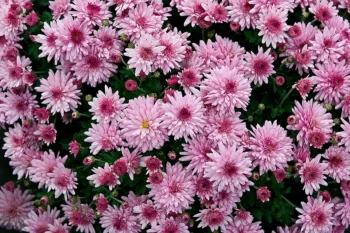
Florist’s Daisy: The Fall-Blooming Garden Workhorse You Should Know About
When most flowers are calling it quits for the season, the florist’s daisy (Chrysanthemum ×morifolium) is just getting warmed up. This cheerful perennial shrub brings a burst of color to gardens just when you need it most – during those crisp autumn days when everything else is fading away.
What Exactly Is a Florist’s Daisy?
The florist’s daisy is a hybrid chrysanthemum that’s become a garden staple across much of the United States. You might also see it listed under several scientific synonyms like Dendranthema grandiflorum or Dendranthema morifolium – botanists love to keep us on our toes with name changes!
This non-native perennial shrub typically grows as a multi-stemmed woody plant, usually staying under 4-5 feet tall. It’s established itself in the wild in several states including California, Massachusetts, Ohio, and Pennsylvania, where it reproduces on its own without any help from gardeners.
- Species observed
- No observations
Why Consider Growing Florist’s Daisy?
Here’s what makes this plant appealing to many gardeners:
- Late-season color: Blooms when most other flowers are done for the year
- Variety of colors: Available in yellow, white, pink, red, and purple
- Pollinator friendly: Provides crucial late-season nectar for bees and butterflies
- Versatile: Works well in borders, containers, and mixed plantings
- Hardy: Thrives in USDA zones 5-9
The Native Plant Perspective
While florist’s daisy isn’t invasive or harmful, it’s worth noting that it’s not native to North America. If you’re focused on supporting local ecosystems, consider these native alternatives that offer similar fall color:
- New England aster (Symphyotrichum novae-angliae)
- Aromatic aster (Symphyotrichum oblongifolium)
- Wild bergamot (Monarda fistulosa)
- Goldenrod species (Solidago spp.)
Growing Florist’s Daisy Successfully
If you decide to add this fall bloomer to your garden, here’s how to keep it happy:
Location and Soil
Plant your florist’s daisy in a spot that gets full sun to partial shade. It’s not too picky about soil, but well-drained ground is essential – soggy roots are this plant’s kryptonite.
Planting Tips
Spring is the best time to plant. Give each plant enough space to spread out, as they can get quite bushy with proper care.
Care and Maintenance
- Pinching: Pinch the growing tips in early summer to encourage a bushier, more compact shape
- Watering: Provide moderate, consistent moisture
- Division: Divide clumps every 2-3 years to keep plants vigorous
- Winter care: In colder zones, add a layer of mulch for winter protection
Garden Design Ideas
Florist’s daisy shines in traditional and cottage garden settings. Its late-season blooms make it perfect for:
- Mixed borders alongside ornamental grasses
- Container gardens on patios and porches
- Cut flower gardens (the blooms last well in arrangements)
- Fall-themed landscape designs
The Bottom Line
Florist’s daisy is a reliable, low-maintenance perennial that fills a specific niche in the garden calendar. While it’s not native, it’s not causing ecological harm either. If you love the idea of fresh flowers blooming while leaves are falling, this might be worth considering for your garden – just remember to explore native options too. After all, the best gardens often include a thoughtful mix of plants that serve both beauty and ecological function.