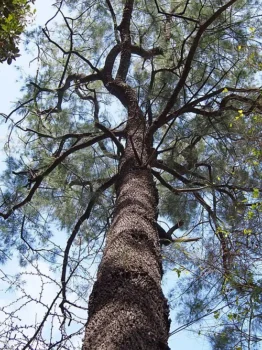
Forest-Oak: The Graceful Australian Native That’s Perfect for Low-Maintenance Gardens
If you’re looking for a tree that combines elegant beauty with practically zero fuss, meet the forest-oak (Allocasuarina torulosa). This charming Australian native might just be the perfect addition to your landscape, especially if you’re tired of high-maintenance plants that demand constant attention.
What Exactly Is a Forest-Oak?
Don’t let the name fool you – the forest-oak isn’t actually an oak at all! Botanically known as Allocasuarina torulosa (formerly called Casuarina torulosa), this distinctive tree belongs to the she-oak family. What makes it special are its needle-like leaves that are actually modified branches called cladodes, giving the entire tree a soft, feathery appearance that’s both unique and beautiful.
Where Does Forest-Oak Come From?
Forest-oak is a true blue Australian native, naturally occurring along the eastern coastlines of New South Wales and Queensland. You’ll find it thriving in coastal and near-coastal environments, where it’s perfectly adapted to handle salt spray, sandy soils, and the occasional drought.
Why You Might Want to Plant Forest-Oak
There are several compelling reasons to consider adding this tree to your landscape:
- Low maintenance: Once established, forest-oak is incredibly drought-tolerant and rarely needs attention
- Coastal tough: It laughs in the face of salt spray and coastal winds
- Soil improver: Like other members of its family, it fixes nitrogen in the soil through special root nodules
- Unique texture: The fine, needle-like foliage creates beautiful textural contrast in the landscape
- Evergreen appeal: Provides year-round color and structure
- Wildlife habitat: Offers nesting sites and shelter for birds and beneficial insects
Garden Design and Landscape Uses
Forest-oak is incredibly versatile in the landscape. Use it as a striking specimen tree where its unique form can be appreciated, or plant several together for an effective windbreak or privacy screen. It’s particularly stunning in native Australian gardens, coastal landscapes, and Mediterranean-style designs. The fine texture pairs beautifully with broader-leafed plants, creating wonderful contrast.
This tree typically grows to about 15-25 feet tall with a similar spread, making it suitable for medium to large gardens. Its growth rate is moderate, so you won’t be waiting decades to see results, but it won’t outgrow its space overnight either.
Growing Conditions and Care
Here’s where forest-oak really shines – it’s remarkably easy to please:
- Sunlight: Full sun to partial shade (prefers full sun)
- Soil: Well-draining soil is essential; tolerates poor, sandy, or rocky soils
- Water: Drought-tolerant once established, but appreciates regular water during dry spells
- Climate: Suitable for USDA zones 9-11 (frost-tender when young)
Planting and Care Tips
Getting your forest-oak off to a good start is straightforward:
- Timing: Plant in spring after the last frost
- Location: Choose a spot with excellent drainage – waterlogged soil is this tree’s only real enemy
- Establishment: Water regularly for the first year, then step back and let nature take over
- Pruning: Minimal pruning needed; just remove dead or damaged branches
- Fertilizing: Generally unnecessary thanks to those nitrogen-fixing roots
A Note for Gardeners Outside Australia
If you’re gardening outside of Australia, forest-oak can still be a wonderful addition to warm-climate gardens, particularly in Mediterranean climates. However, since it’s not native to your area, consider also exploring native alternatives that might provide similar aesthetic appeal while supporting local ecosystems. Your local extension office or native plant society can point you toward indigenous options that might work just as well.
The Bottom Line
Forest-oak is one of those rare plants that offers maximum beauty with minimum effort. If you have the right climate and well-draining soil, this Australian native could become one of your favorite landscape plants. Its unique appearance, tough constitution, and wildlife-friendly nature make it a smart choice for gardeners who want something a little different without the headaches that often come with unusual plants.
Whether you’re creating a water-wise garden, need a coastal-tough tree, or simply want something that looks great year-round without constant fussing, forest-oak deserves serious consideration. After all, isn’t it nice when a plant can be both beautiful and practically bulletproof?