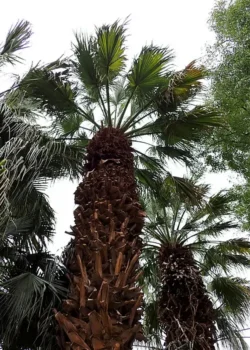
Fountain Palm: A Graceful Addition to Warm Climate Gardens
If you’re dreaming of adding a touch of tropical elegance to your landscape, the fountain palm (Livistona chinensis) might just catch your eye. With its graceful fan-shaped leaves and stately single trunk, this palm brings an exotic flair that can transform any garden into a mini paradise. But before you start digging, let’s explore whether this beauty is right for your space.
What is a Fountain Palm?
The fountain palm, scientifically known as Livistona chinensis, is a perennial tree that typically grows as a single-trunked specimen reaching heights of 13-50 feet. You might also see it listed under its botanical synonyms Livistona oliviformis or Saribus oliviformis in older gardening references. True to its common name, this palm creates a fountain-like cascade of fan-shaped fronds that arch gracefully outward from the crown.
Where Does It Come From?
Originally hailing from southern China and southern Japan, the fountain palm is a non-native species in the United States. However, it has established itself quite successfully in warmer regions and now reproduces spontaneously in the wild in both Hawaii and the lower 48 states. Currently, you’ll find established populations primarily in Florida and Hawaii.
- Species observed
- No observations
Why Gardeners Love (and Sometimes Question) This Palm
The fountain palm’s appeal is undeniable. Its elegant, fan-shaped leaves create beautiful architectural interest, and the slow-growing nature means it won’t quickly outgrow its welcome. The palm works wonderfully as a specimen tree, creating a focal point in tropical or Mediterranean-style gardens. When young, it even makes an attractive container plant for patios or pool areas.
However, since it’s not native to North American ecosystems, consider exploring native alternatives that might provide similar aesthetic appeal while supporting local wildlife. Native palms like the sabal palm (Sabal palmetto) in the Southeast or California fan palm (Washingtonia filifera) in the Southwest could be excellent choices.
Growing Conditions and Care
If you decide to grow a fountain palm, here’s what you need to know about keeping it happy:
Climate Requirements: This palm thrives in USDA hardiness zones 9b through 11, making it suitable for the warmest regions of the United States.
Light and Location: Fountain palms prefer full sun to partial shade. They appreciate some protection from harsh winds, which can damage their large fronds.
Soil and Water: Well-draining soil is crucial – these palms don’t like soggy feet. The wetland status varies by region, but generally, they prefer upland conditions rather than consistently wet areas. Regular watering during dry periods will keep them looking their best.
Planting and Care Tips
- Plant in spring when temperatures are consistently warm
- Dig a hole twice as wide as the root ball but no deeper
- Water regularly the first year while the palm establishes
- Apply palm-specific fertilizer 2-3 times during growing season
- Prune only brown or damaged fronds – never cut green ones
- Protect from strong winds and salt spray if near the coast
Wildlife and Pollinator Value
While fountain palms do produce small, inconspicuous flowers followed by small fruits, their value to native pollinators and wildlife is limited compared to native species. If supporting local ecosystems is a priority, consider incorporating native plants alongside or instead of this palm.
The Bottom Line
The fountain palm can be a stunning addition to warm climate gardens, offering year-round structure and tropical appeal. While it’s not native and doesn’t provide significant ecological benefits, it’s also not considered invasive or harmful. If you choose to plant one, pair it with native species to create a landscape that’s both beautiful and beneficial to local wildlife.
Remember, gardening is about creating spaces that bring you joy while being mindful of the broader ecosystem. Whether you choose the fountain palm or explore native alternatives, the key is selecting plants that thrive in your specific conditions and align with your gardening goals.