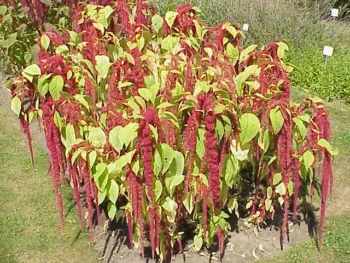
Foxtail Amaranth: A Dramatic Annual with Cascading Blooms
If you’re looking for a flower that makes a statement in your garden, foxtail amaranth (Amaranthus caudatus) might just be your new favorite annual. Also known as love-lies-bleeding – quite the romantic name for such a bold plant – this eye-catching beauty produces long, drooping flower clusters that look like colorful rope or cascading tassels swaying in the breeze.
What Is Foxtail Amaranth?
Foxtail amaranth is an annual forb, meaning it’s a non-woody herbaceous plant that completes its entire life cycle in one growing season. This dramatic plant can reach impressive heights of 3-8 feet, making it a real showstopper in any garden bed. The plant’s most distinctive feature is its long, drooping flower clusters that can stretch 6-18 inches long and come in striking shades of deep red, purple, burgundy, or sometimes green.
Native Status and Distribution
Originally hailing from South America – specifically Peru and Ecuador – foxtail amaranth is considered a non-native species in North America. However, it has naturalized across much of the United States and can now be found growing in 23 states plus Puerto Rico, from Arizona to Maine and everywhere in between. While it reproduces on its own in the wild, it’s not currently listed as invasive or problematic.
- Species observed
- No observations
Why Gardeners Love (and Sometimes Question) This Plant
There’s no denying that foxtail amaranth brings serious drama to the garden. Here’s what makes it appealing:
- Stunning visual impact: Those cascading flower clusters are absolutely mesmerizing
- Easy to grow: This is a low-maintenance annual that thrives with minimal care
- Great for cutting: The flowers make excellent fresh or dried arrangements
- Pollinator friendly: Bees and butterflies appreciate the blooms
- Heat and drought tolerant: Perfect for hot summer climates
However, some gardeners prefer to focus on native plants that support local ecosystems more directly. If you’re interested in native alternatives, consider exploring indigenous amaranth species like Palmer’s amaranth or native wildflowers with similar dramatic appeal.
Perfect Garden Settings
Foxtail amaranth shines in several garden styles:
- Cottage gardens: Its old-fashioned charm fits perfectly with informal, romantic plantings
- Cutting gardens: A must-have for anyone who loves fresh flower arrangements
- Annual beds: Makes an excellent backdrop for shorter flowers
- Ornamental vegetable gardens: Adds height and color alongside edible plants
Growing Conditions and Care
The good news? Foxtail amaranth is refreshingly easy to please. Here’s what it needs to thrive:
Sunlight: Full sun is essential – at least 6-8 hours of direct sunlight daily
Soil: Well-draining soil is key. This plant isn’t picky about soil fertility and actually performs better in average to poor soils
Water: Drought tolerant once established, but appreciates regular watering during dry spells
Climate: Thrives in warm weather and can be grown as an annual in USDA zones 2-11
Planting and Care Tips
Getting started with foxtail amaranth is straightforward:
- Timing: Direct sow seeds after the last frost date when soil has warmed
- Spacing: Plant seeds about 12-18 inches apart, as these plants get quite large
- Germination: Seeds typically sprout within 7-14 days in warm soil
- Thinning: Once seedlings emerge, thin to give plants adequate space
- Maintenance: Minimal care required – just occasional watering during dry periods
Pro tip: Foxtail amaranth self-seeds readily, so you might find volunteer plants popping up next year. This can be a blessing or require some management, depending on your garden goals.
Wildlife and Pollinator Benefits
While the flowers are primarily wind-pollinated, foxtail amaranth does attract some beneficial insects. Small bees and butterflies may visit the blooms, and birds sometimes enjoy the seeds later in the season. However, since this isn’t a native species, it won’t provide the same level of ecological support as indigenous plants that have co-evolved with local wildlife.
The Bottom Line
Foxtail amaranth offers gardeners a chance to grow something truly spectacular with minimal effort. Its dramatic appearance and easy-care nature make it appealing for many garden situations. While it’s not native to North America, it’s also not considered problematic or invasive in most areas.
If you’re drawn to its stunning cascading blooms, go ahead and give it a try – just be prepared for the self-seeding habit. And if you’re passionate about supporting native ecosystems, consider researching native amaranth species or other indigenous plants that might provide similar visual drama while supporting local wildlife more directly.
Either way, there’s no denying that few plants can match the theatrical presence of foxtail amaranth swaying gracefully in a summer garden.