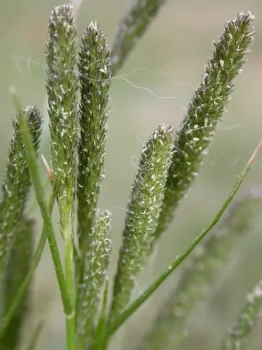
Foxtail Pricklegrass: An Unusual Annual for Wet Areas
If you’re looking for a grass that thrives in soggy conditions, you might have stumbled across foxtail pricklegrass (Crypsis alopecuroides). This little-known annual grass has an interesting story and some very specific growing requirements that make it quite different from your typical lawn or ornamental grasses.
What Exactly Is Foxtail Pricklegrass?
Foxtail pricklegrass is an annual grass that belongs to the graminoid family—basically, it’s a true grass with all the typical grass-like characteristics you’d expect. Despite its somewhat intimidating common name, it’s actually a fairly small and unassuming plant. You might also see it referenced by its botanical synonyms Heleochloa alopecuroides or Sporobolus alopecuroides in older gardening literature.
Here’s something important to know upfront: this isn’t a native North American plant. Foxtail pricklegrass originally hails from Europe, the Mediterranean region, and parts of Asia, but it has established itself across several western and a few eastern U.S. states.
Where Does It Grow?
Currently, you can find foxtail pricklegrass growing wild in California, Colorado, Idaho, Montana, Nevada, Oregon, Pennsylvania, Utah, Washington, and Wyoming. It’s managed to spread and reproduce on its own in these areas, showing its adaptability to North American conditions.
- Species observed
- No observations
The Wetland Connection
Here’s where things get really interesting—foxtail pricklegrass is essentially a wetland specialist. In the arid western regions, it’s classified as an Obligate Wetland plant, meaning you’ll almost always find it in wet conditions. In other regions like the Atlantic coast, Great Plains, and Eastern Mountains, it’s considered Facultative Wetland, usually preferring wet spots but occasionally tolerating drier conditions.
This wetland preference makes it quite different from most garden grasses and gives it a very specific niche in the landscape.
Should You Plant Foxtail Pricklegrass?
The honest answer? Probably not for most home gardens. Here’s why:
- Limited ornamental value—it’s not particularly showy or attractive
- Very specific moisture requirements that are hard to meet in typical gardens
- As a non-native species, it doesn’t provide the same ecological benefits as native plants
- It’s an annual, so you’d need to replant or allow self-seeding each year
However, there are a few scenarios where it might make sense:
- Wetland restoration projects where you need quick ground cover
- Specialized water gardens or bog areas
- Areas with seasonal flooding where other plants struggle
Better Native Alternatives
Instead of foxtail pricklegrass, consider these native wetland grasses that offer similar growing conditions but better ecological value:
- Rice cutgrass (Leersia oryzoides)—native wetland grass with similar moisture needs
- Fowl mannagrass (Glyceria striata)—excellent for wet areas and wildlife
- Sedges like Fox sedge (Carex vulpinoidea)—fantastic wetland plants with great wildlife value
If You Do Decide to Grow It
Should you choose to experiment with foxtail pricklegrass, here’s what you need to know:
Growing Conditions: This plant demands consistent moisture to wet conditions. Think pond edges, rain gardens, or areas that flood seasonally. It prefers full sun and can handle a range of soil types as long as they stay moist to wet.
Hardiness: Based on its current distribution, it appears hardy in USDA zones 4-9, though it performs best in areas with adequate summer moisture.
Planting and Care: As an annual, foxtail pricklegrass will complete its life cycle in one growing season. It’s wind-pollinated and will self-seed readily if conditions are right. The key is maintaining consistent moisture—let this plant dry out, and you’ll likely lose it.
The Bottom Line
Foxtail pricklegrass is one of those plants that’s more interesting from a botanical perspective than a gardening one. While it has managed to establish itself across multiple U.S. states, its specific wetland requirements and limited ornamental appeal make it a poor choice for most home landscapes.
If you’re working on wetland restoration or have a specialized wet area that needs quick annual coverage, it might serve a purpose. But for most gardeners, you’ll get much better results—and provide more benefits to local wildlife—by choosing native wetland plants instead.
Remember, the best gardens work with nature rather than against it, and that usually means choosing plants that belong in your local ecosystem!