Fragile Oat: A Mediterranean Grass Making Itself at Home in California
Meet Gaudinia fragilis, better known as fragile oat—a delicate annual grass that’s quietly established itself in California’s landscape. While it might not be the showstopper you’re looking for in your garden border, this unassuming Mediterranean native has some interesting qualities worth understanding, especially if you’ve spotted it growing wild in your area.
What Exactly Is Fragile Oat?
Fragile oat is a slender annual grass that lives up to its common name with thin, delicate stems and narrow leaves. Originally from the Mediterranean region of southern Europe and North Africa, this graminoid (that’s botanist speak for grass-like plant) has made its way to California, where it now reproduces on its own in the wild.
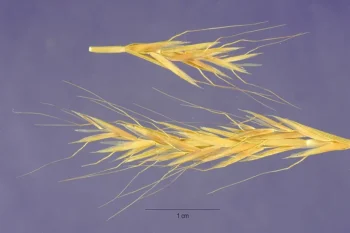
You might also see it referenced by its old scientific name, Avena fragilis, though botanists now officially call it Gaudinia fragilis. The fragile part of its name becomes clear when you see its delicate seed heads that seem to break apart at the slightest touch.
Where You’ll Find It Growing
In the United States, fragile oat has established itself in California, where it thrives in the state’s Mediterranean-like climate. It’s typically found in grasslands, disturbed sites, and naturalized areas rather than manicured gardens.
- Species observed
- No observations
Should You Plant Fragile Oat in Your Garden?
Here’s the honest truth: fragile oat isn’t really a garden plant. While it’s not considered invasive or harmful, it’s also not particularly ornamental. This grass is more of a happens naturally kind of plant rather than something you’d intentionally choose for landscaping.
However, if you’re interested in this species for educational purposes or naturalized areas, here’s what you should know:
- It’s an annual, so it completes its life cycle in one year
- It’s wind-pollinated, so it won’t attract bees or butterflies
- It self-seeds readily in suitable conditions
- It prefers well-drained soils and can tolerate drought once established
Growing Conditions and Care
If you do decide to work with fragile oat (perhaps in a naturalized meadow setting), it’s relatively undemanding:
- Climate: Best suited for USDA hardiness zones 8-10
- Soil: Adapts to various soil types but prefers well-drained conditions
- Water: Drought tolerant once established
- Maintenance: Minimal care required; will self-seed in suitable conditions
Consider Native Alternatives Instead
Since fragile oat isn’t native to California and doesn’t offer significant ecological benefits, you might want to consider these beautiful native grass alternatives:
- Purple needlegrass (Stipa pulchra) – California’s state grass
- Foothill needlegrass (Stipa lepida) – drought-tolerant and elegant
- Blue wildrye (Elymus glaucus) – attractive blue-green foliage
- California oatgrass (Danthonia californica) – perfect for naturalized areas
The Bottom Line
Fragile oat is one of those plants that’s more interesting from an ecological perspective than a gardening one. While it’s not harmful to grow, it’s also not going to win any beauty contests or provide significant benefits to local wildlife. If you’re looking to create habitat for native species or add ornamental grasses to your landscape, you’ll get much more bang for your buck with California’s gorgeous native grass species.
Sometimes the most responsible gardening choice is simply appreciating a plant for what it is—in this case, a quiet naturalized resident—while choosing natives that will truly thrive and support local ecosystems.