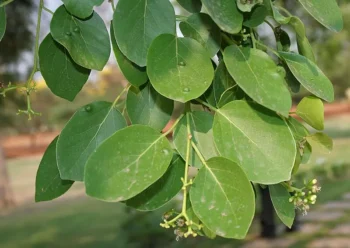
Fragrant Manjack: A Tropical Tree with Sweet-Scented Blooms
If you’re looking for a medium-sized tree that brings both fragrance and color to your warm-climate garden, you might want to meet the fragrant manjack (Cordia dichotoma). This perennial tree has been making itself at home in tropical and subtropical landscapes, though it’s worth noting that it’s not originally from North America.
What Is Fragrant Manjack?
Fragrant manjack is a deciduous tree that typically grows 13 to 16 feet tall or more, developing a single trunk and spreading canopy. Originally hailing from tropical Asia, this non-native species has established itself in Florida and Hawaii, where it reproduces on its own in the wild.
The tree gets its common name from its delightfully fragrant small white flowers that appear in clusters. These blooms eventually give way to small orange to red fruits that add another layer of visual interest to the tree.
Where Does It Grow?
In the United States, you’ll find fragrant manjack growing in Florida and Hawaii. It’s adapted well to these warm, humid climates and has become naturalized in both locations.
- Species observed
- No observations
Garden Appeal and Landscape Role
What makes fragrant manjack appealing to gardeners? Here are the highlights:
- Fragrant white flowers that perfume the air
- Colorful orange to red fruits that follow the blooms
- Medium size that works well as a specimen tree or shade provider
- Relatively low maintenance once established
This tree works well in tropical and subtropical garden designs, where it can serve as a focal point or provide dappled shade for understory plantings.
Growing Conditions and Care
Fragrant manjack is fairly easygoing when it comes to growing conditions:
- Sunlight: Prefers full sun for best flowering and growth
- Soil: Tolerates a range of soil types as long as drainage is good
- Water: Drought tolerant once established, though regular watering helps during dry spells
- Climate: Thrives in USDA hardiness zones 9b through 11
The tree has an obligate upland status in the Atlantic and Gulf Coastal Plain region, meaning it almost never occurs in wetlands. In Hawaii, it has a facultative upland status, usually preferring non-wetland areas but occasionally tolerating wetter conditions.
Planting and Care Tips
Getting your fragrant manjack off to a good start is straightforward:
- Plant in a location with plenty of space for the tree to reach its mature size
- Ensure good drainage to prevent root problems
- Water regularly during the first growing season to help establish roots
- Minimal pruning is needed, but remove any dead or crossing branches
- The tree tolerates poor soils, making it forgiving for novice gardeners
Wildlife and Pollinator Benefits
The fragrant flowers of this tree attract bees and other small pollinators, providing nectar when in bloom. The colorful fruits may also attract birds, though specific wildlife benefits can vary by location.
Should You Plant It?
Fragrant manjack can be a lovely addition to warm-climate gardens, especially if you appreciate fragrant flowers and don’t mind a non-native species. However, since it’s not indigenous to North America, you might also consider native alternatives that provide similar benefits while supporting local ecosystems.
Some native trees to consider instead include native Cordia species if available in your region, or other native flowering trees suited to your specific climate zone. Your local native plant society or extension office can help you identify the best native options for your area.
If you do choose to plant fragrant manjack, you can feel confident that it’s not currently listed as invasive or noxious, making it a relatively safe choice for responsible gardeners who want to enjoy its sweet-scented blooms.