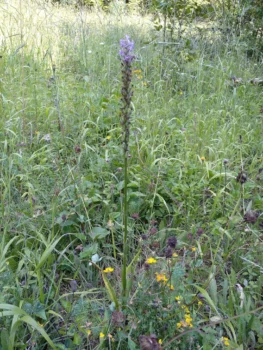
Fragrant Orchid: A Challenging but Rewarding European Beauty
Meet the fragrant orchid (Gymnadenia conopsea), a delicate European beauty that’s as tricky to grow as it is enchanting to behold. This petite perennial orchid might just be the horticultural challenge you’ve been looking for – or the one that teaches you patience the hard way!
What Is the Fragrant Orchid?
The fragrant orchid is a non-native perennial forb that originally calls Europe and parts of Asia home. Despite its exotic origins, this little orchid has managed to establish itself in Connecticut, where it reproduces naturally without human intervention. Don’t let the word forb fool you – this simply means it’s a non-woody plant that dies back to the ground each year, only to emerge again the following season like a floral phoenix.
Where You’ll Find It Growing Wild
In North America, the fragrant orchid has been documented growing wild in Connecticut, though its presence is likely quite limited. Back in its native European range, you’d typically spot these beauties dancing in chalk grasslands, meadows, and mountainous regions.
- Species observed
- No observations
The Appeal (And the Challenge)
Let’s be honest – the fragrant orchid is not your typical garden center find, and there’s a good reason for that. This orchid produces stunning pink to purple flower spikes that typically reach 2-6 inches tall, releasing a sweet, clove-like fragrance that attracts butterflies and moths from considerable distances. The flowers bloom in summer, creating a magical display that’s worth the effort – if you can manage to grow it successfully.
However, here’s where things get interesting (and by interesting, we mean challenging): orchids like this one require specific mycorrhizal fungi in the soil to survive. These beneficial fungi form partnerships with the orchid’s roots, essentially acting as the plant’s personal grocery delivery service. Without these fungal friends, your fragrant orchid will likely struggle or fail entirely.
Growing Conditions and Care
If you’re determined to try growing fragrant orchid, here’s what you’ll need to know:
- Climate: Hardy in USDA zones 3-7, preferring cooler climates
- Soil: Well-draining, alkaline soil is essential
- Light: Full sun to partial shade
- Moisture: Consistent moisture without waterlogging
- Special requirements: Needs specific mycorrhizal fungi present in soil
The biggest challenge with fragrant orchids is that they’re nearly impossible to transplant successfully once established. They form deep relationships with their soil ecosystem, and disturbing them often results in plant death. This makes them more suitable for experienced gardeners who understand the complexities of orchid cultivation.
Garden Design and Landscape Use
If you do manage to establish fragrant orchid, it works beautifully in:
- Specialized wildflower gardens
- Rock gardens with alkaline soil
- Alpine or mountainous garden themes
- Naturalized meadow settings
- Orchid collections (for the truly dedicated)
Wildlife and Pollinator Benefits
The fragrant orchid earns its keep by attracting butterflies and moths with its sweet fragrance. The flowers provide nectar for these pollinators, making it a valuable addition to pollinator gardens – when you can successfully grow it.
Should You Plant It?
Here’s our honest take: while the fragrant orchid is undeniably beautiful and not considered invasive, it’s also incredibly challenging to grow. Unless you’re an experienced orchid enthusiast with the right growing conditions and a lot of patience, you might want to consider native alternatives that provide similar benefits with much less fuss.
Some fantastic native orchid alternatives include the showy orchis (Galearis spectabilis) or pink lady’s slipper (Cypripedium acaule), depending on your region. These native beauties will support local ecosystems while being somewhat more forgiving in cultivation.
The Bottom Line
The fragrant orchid is like that sophisticated friend who looks amazing but requires high maintenance – beautiful, but not for everyone. If you’re up for the challenge and have the right conditions, it can be a stunning addition to a specialized garden. However, most gardeners will find greater success and ecological benefit by choosing native orchid species or other native wildflowers that offer similar aesthetic appeal with less drama.
Remember, successful gardening is often about working with nature rather than against it. Sometimes the most rewarding path is choosing plants that naturally thrive in your local conditions!