French Broom: A Beautiful but Problematic Mediterranean Import
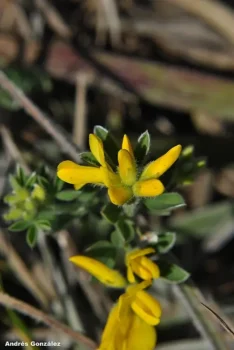
French broom (Genista monspessulana) might catch your eye with its cheerful yellow blooms and Mediterranean charm, but this is one plant that’s better admired from afar than invited into your garden. While undeniably attractive, this shrub has earned a reputation as an aggressive invader that’s causing serious problems for native ecosystems across the western United States.
What is French Broom?
French broom is a perennial shrub that typically grows 4-5 meters (13-16 feet) tall, though it can sometimes reach greater heights depending on conditions. This multi-stemmed woody plant creates a dense, full appearance with its numerous branches arising from near the ground. Originally from the Mediterranean region of southern Europe and North Africa, it’s also known by its scientific synonyms Cytisus monspessulanus and Teline monspessulana.
Where French Broom Grows
In the United States, French broom has established populations primarily along the West Coast, including California, Oregon, and Washington. It thrives in USDA hardiness zones 8-10, where the mild climate closely resembles its Mediterranean homeland.
- Species observed
- No observations
The Invasive Problem
Here’s where things get concerning: French broom is classified as an invasive species throughout much of its U.S. range. This non-native plant doesn’t just naturalize—it aggressively takes over native habitats, crowding out indigenous plants that local wildlife depends on. Its ability to reproduce spontaneously and persist without human intervention makes it particularly problematic for natural areas.
Why you shouldn’t plant French broom:
- Displaces native vegetation that supports local wildlife
- Forms dense stands that are difficult to remove once established
- Spreads rapidly through both seeds and root sprouting
- Reduces biodiversity in natural areas
- Can increase fire risk in some regions
What Makes It Appealing (But Why Looks Can Be Deceiving)
It’s easy to see why French broom initially attracted gardeners. In spring, the shrub produces masses of bright yellow, fragrant flowers that create a stunning display. The plant is incredibly low-maintenance, thriving in full sun with well-drained soils and requiring minimal water once established. It can even handle poor soils that challenge other plants.
These tough characteristics and pollinator appeal—the flowers do attract bees and butterflies—made it popular for erosion control, screening, and Mediterranean-style gardens. Unfortunately, these same hardy traits are exactly what make it such a successful invader.
Better Native Alternatives
Instead of French broom, consider these native alternatives that offer similar benefits without the ecological damage:
- California native ceanothus species – Provide stunning blue or white flowers and support native pollinators
- Native lupines – Offer colorful spikes of flowers and fix nitrogen in the soil
- Oregon grape (Mahonia species) – Feature yellow flowers followed by berries that feed wildlife
- Native manzanita varieties – Provide year-round interest with attractive bark and flowers
The Bottom Line
While French broom might seem like an easy, attractive choice for your garden, its invasive nature makes it a plant to avoid. The short-term beauty simply isn’t worth the long-term environmental damage. By choosing native alternatives instead, you’ll create a garden that’s not only beautiful but also supports local ecosystems and wildlife.
Remember, gardening is about more than just our individual spaces—it’s about being responsible stewards of the broader environment we all share. Skip the French broom and give native plants a chance to shine in your landscape instead.