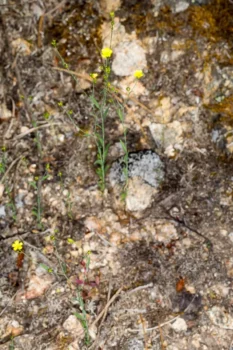
French Flax: A Delicate Mediterranean Annual for Your Garden
Looking for a charming, low-maintenance annual to add some delicate texture to your garden? French flax (Linum trigynum) might just be the unassuming beauty you’ve been searching for. This petite Mediterranean native brings a touch of old-world elegance to modern landscapes with its wispy stems and cheerful yellow blooms.
What Exactly Is French Flax?
French flax is an annual forb – essentially a non-woody herbaceous plant that completes its entire life cycle in one growing season. Don’t let its delicate appearance fool you; this little charmer is quite resilient once established. You might also see it listed under its synonym Linum gallicum in some plant catalogs or botanical references.
As a member of the flax family, French flax shares the characteristic narrow leaves and simple flowers of its more famous cousin, common flax (used for linen production). However, this species is grown purely for ornamental purposes rather than fiber.
Where Does French Flax Grow?
Originally hailing from the Mediterranean region, particularly France (hence the name!), French flax has made itself at home in parts of the United States. You’ll currently find it naturalized in California and Hawaii, where it reproduces on its own and persists in the wild without human intervention.
- Species observed
- No observations
Garden Appeal and Design Role
French flax brings several appealing qualities to the garden:
- Delicate yellow flowers that add a bright, cheerful note to plantings
- Fine, narrow foliage that creates an airy, textural contrast
- Naturalized appearance perfect for wildflower gardens or informal settings
- Self-seeding habit that can fill in gaps naturally
In landscape design, French flax works beautifully as a filler plant in Mediterranean-style gardens, naturalized meadow areas, or cottage garden borders. Its fine texture makes it an excellent companion for plants with broader leaves or more substantial flowers.
Growing Conditions and Care
One of French flax’s best qualities is its easy-going nature. Here’s what this little annual prefers:
- Sunlight: Full sun for best flowering
- Soil: Well-draining soil is essential; it’s quite drought-tolerant once established
- Climate: Thrives in USDA hardiness zones 7-10
- Watering: Minimal water needs after establishment
Planting and Maintenance Tips
Growing French flax is refreshingly straightforward:
- Direct sow seeds in spring after the last frost date
- Scatter seeds lightly over prepared soil and barely cover
- Water gently until germination occurs
- Once established, minimal care is required
- Allow some plants to go to seed if you want it to return next year
The self-seeding nature means you might find pleasant surprises popping up in subsequent seasons, though as an annual, individual plants won’t survive winter.
Benefits for Pollinators and Wildlife
While small, the flowers of French flax provide nectar for various beneficial insects and small pollinators, including bees. The seeds may also attract small birds, adding another layer of wildlife value to your garden.
A Word About Native Alternatives
Since French flax is non-native to North America, you might consider incorporating some native alternatives alongside it or instead of it. Depending on your region, native options might include local flax species, native wildflowers, or other annual forbs that provide similar aesthetic appeal while supporting local ecosystems.
Should You Grow French Flax?
French flax can be a lovely addition to gardens where its delicate charm and Mediterranean flair are appreciated. It’s particularly well-suited for gardeners who enjoy naturalized plantings and don’t mind a bit of self-seeding spontaneity. While it’s not native to North America, it’s not currently listed as invasive, making it a neutral choice for those seeking easy-care annuals.
If you’re drawn to supporting native ecosystems, consider researching native flax species or similar wildflowers in your area. But if you’re simply looking for a charming, low-maintenance annual with old-world appeal, French flax might just earn a spot in your garden’s supporting cast.