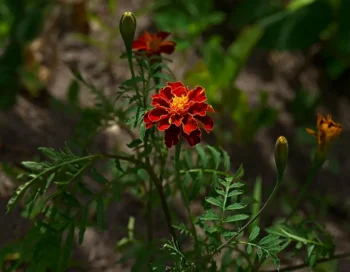
French Marigold: A Cheerful Annual with Global Garden Appeal
If you’re looking for a splash of vibrant color that blooms reliably from spring until the first frost, the French marigold might just be your new garden buddy. Despite its common name suggesting European origins, this cheerful annual actually hails from much warmer climates and has become a beloved staple in gardens worldwide.
What Exactly Is a French Marigold?
The French marigold (Tagetes patula) is a compact, bushy annual forb that belongs to the sunflower family. Don’t let the French part fool you – this plant is actually native to Mexico and Guatemala. It’s sometimes known by its botanical synonyms including Tagetes corymbosa, Tagetes remotiflora, and Tagetes signata, though these names are rarely used in everyday gardening.
As an annual, French marigolds complete their entire life cycle in one growing season, which means you’ll need to replant them each year. But trust us, their reliable performance and easy-going nature make them worth the annual investment.
Where You’ll Find French Marigolds Growing
While native to Central America, French marigolds have naturalized across much of the United States. You can find established populations growing wild in Alabama, California, Illinois, Louisiana, Missouri, Montana, New York, North Carolina, Ohio, Pennsylvania, South Carolina, Utah, Vermont, Virginia, Wisconsin, Wyoming, and Puerto Rico. This wide distribution speaks to their adaptability and resilience.
- Species observed
- No observations
Why Gardeners Love (and Sometimes Skip) French Marigolds
French marigolds bring several appealing qualities to the garden table. Their flowers come in warm shades of orange, yellow, red, and bicolor combinations that seem to glow in the landscape. They’re compact plants, typically reaching 6-12 inches tall and wide, making them perfect for edging, containers, or filling in gaps in flower beds.
These plants are also famously easy to grow and maintain. They’re drought tolerant once established, rarely bothered by pests, and bloom continuously with minimal care. Many vegetable gardeners swear by planting marigolds as companion plants, believing they help deter certain garden pests.
However, since French marigolds aren’t native to most of North America, some gardeners prefer to focus their efforts on supporting local ecosystems with indigenous plants. If you’re leaning toward native alternatives, consider exploring colorful native annuals like California poppies, blanket flowers, or native sunflowers that might be better suited to your local wildlife.
Perfect Spots for French Marigolds
French marigolds are incredibly versatile and work well in various garden settings:
- Annual flower beds and borders
- Container gardens and window boxes
- Cottage-style gardens
- Vegetable gardens as companion plants
- Cut flower gardens
- Children’s gardens (they’re virtually foolproof!)
Growing Conditions and Care
One of the reasons French marigolds are so popular is their unfussy nature. Here’s what they need to thrive:
Sunlight: Full sun is best, though they’ll tolerate some light shade. More sun generally means more blooms.
Soil: Well-draining soil is essential. They’re not picky about soil fertility – in fact, overly rich soil can lead to more foliage and fewer flowers.
Water: Moderate water needs. Once established, they’re quite drought tolerant, but consistent moisture encourages better blooming.
Climate: Being annuals, they’re grown in USDA zones 2-11, started fresh each growing season.
Planting and Care Tips
Growing French marigolds is refreshingly straightforward:
- Start seeds indoors 4-6 weeks before your last frost date, or direct sow after soil warms
- Plant seeds about ¼ inch deep in well-draining soil
- Space plants 6-10 inches apart to allow good air circulation
- Deadhead spent blooms regularly to encourage continued flowering
- Water at soil level to prevent fungal issues on foliage
- No fertilizing needed in average soils
Benefits for Pollinators and Wildlife
While not native, French marigolds do provide some benefits for pollinators. Bees and butterflies visit the flowers for nectar, and the plants can serve as host plants for some beneficial insects. However, native plants typically provide more comprehensive ecosystem support for local wildlife.
The Bottom Line
French marigolds are reliable, colorful, and nearly foolproof annual flowers that can brighten any garden space. While they’re not native to most of North America, they’re also not considered invasive or problematic. If you choose to grow them, you’ll enjoy months of cheerful blooms with minimal effort.
For gardeners interested in supporting native ecosystems, consider researching native annual wildflowers in your area that could provide similar color and garden appeal while offering enhanced benefits to local wildlife. Whether you go native or embrace these international garden favorites, the most important thing is creating a garden space that brings you joy!