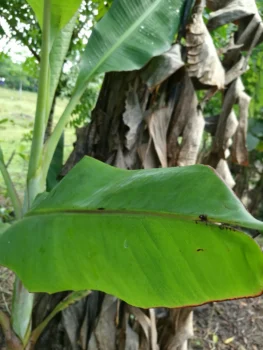
French Plantain (Musa ×paradisiaca): A Tropical Addition to Warm-Climate Gardens
If you’re dreaming of adding a touch of the tropics to your garden, you might have come across the French plantain, scientifically known as Musa ×paradisiaca. This perennial plant brings an exotic flair to landscapes, though it comes with some important considerations for the conscientious gardener.
What is French Plantain?
French plantain is a non-native species that has made itself at home in several warm regions of the United States and its territories. Known locally as tuu in Palau, this plant has established populations where it reproduces naturally without human intervention. Despite its common name suggesting a connection to the familiar banana family, the botanical classification describes it as a forb herb – essentially a non-woody perennial plant.
Where Does French Plantain Grow?
This adaptable species has naturalized across a diverse range of warm climates, establishing populations in Florida, Hawaii, Louisiana, as well as in Guam, Palau, and Puerto Rico. Its ability to persist and reproduce in these varied environments speaks to its resilience and adaptability.
- Species observed
- No observations
Garden Suitability and Landscape Role
French plantain typically thrives in USDA hardiness zones 9-11, making it suitable primarily for gardeners in the warmest regions of the United States. As a non-native species, it’s important to consider its place in your garden ecosystem carefully.
The plant shows interesting wetland preferences that vary by region:
- In Atlantic and Gulf Coastal Plains: Prefers upland areas, rarely found in wetlands
- In the Caribbean: Flexible, growing in both wetland and non-wetland areas
- In Hawaii: Usually prefers non-wetland areas but can tolerate some moisture
Growing Considerations
While specific growing requirements for this particular species aren’t well-documented, most tropical perennials prefer warm, humid conditions with protection from harsh winds and consistent moisture. Given its classification as a forb herb, it likely appreciates well-draining soil and may benefit from some shade during the hottest parts of the day.
Wildlife and Pollinator Value
The wildlife benefits of French plantain aren’t well-established in current research. This uncertainty is worth considering, especially since native plants typically provide more reliable ecosystem services and support for local wildlife populations.
Should You Plant French Plantain?
As a non-native species that has naturalized in multiple regions, French plantain falls into a gray area for native plant enthusiasts. While it’s not currently classified as invasive or noxious, its non-native status means it won’t provide the same ecological benefits as indigenous species.
If you’re drawn to tropical aesthetics in your garden, consider exploring native alternatives that can provide similar visual appeal while supporting local ecosystems. Many regions have stunning native plants that can create that lush, tropical feeling you’re after.
The Bottom Line
French plantain represents the complex relationship between introduced species and modern gardening. While not necessarily harmful, its cultivation raises questions about our responsibility to support native biodiversity. If you choose to grow it, do so thoughtfully, and consider balancing any non-native additions with plenty of indigenous plants that support local wildlife and pollinators.
Remember, the most rewarding gardens often tell the story of their place – and native plants are the best storytellers of all.