French Tamarisk: A Hardy Shrub for Challenging Garden Spots
Meet French tamarisk (Tamarix gallica), a resilient shrub that laughs in the face of salty air, drought, and poor soil. While this Mediterranean native might not be the first plant that comes to mind for your garden, it has some pretty impressive tricks up its feathery sleeves that make it worth considering for those tricky spots where other plants fear to tread.
What Exactly Is French Tamarisk?
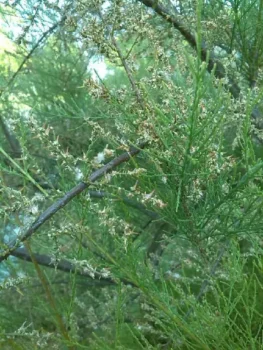
French tamarisk is a perennial shrub that typically grows 13 to 16 feet tall, though it can sometimes stretch taller under the right conditions. This multi-stemmed woody plant is like the botanical equivalent of a graceful dancer, with delicate, feathery foliage that sways beautifully in coastal breezes. In spring, it puts on quite a show with clusters of tiny pink flowers that create a soft, cloud-like appearance.
Where Does It Come From and Where Can You Find It?
Originally hailing from the Mediterranean region, southwestern Europe, and North Africa, French tamarisk has made itself at home in various parts of the United States. You can currently find it growing in California, Georgia, Louisiana, New Mexico, North Carolina, South Carolina, Texas, Washington, and Puerto Rico. As a non-native species, it has established itself and reproduces on its own in these areas.
- Species observed
- No observations
The Good, The Bad, and The Salty
Here’s where French tamarisk really shines: it’s incredibly tough. This shrub thrives in USDA hardiness zones 7-10 and can handle conditions that would make other plants wilt with despair. It’s particularly excellent for:
- Coastal gardens where salt spray is a constant concern
- Xeriscaping and drought-tolerant landscapes
- Erosion control on slopes and difficult terrain
- Windbreaks in exposed locations
- Areas with poor, sandy, or alkaline soil
Wetland Flexibility
One interesting characteristic of French tamarisk is its adaptability to different moisture conditions. Depending on your region, it can handle both wetland and non-wetland situations. In some areas like the Atlantic and Gulf Coastal Plain and Great Plains, it tends to prefer wetter conditions, while in other regions it’s equally happy in drier spots.
Growing French Tamarisk Successfully
If you’ve decided this hardy shrub fits your landscape needs, here’s how to keep it happy:
- Plant in full sun for best flowering and growth
- Provide well-draining soil (it’s not picky about soil type)
- Water regularly during the first year to establish roots
- Once established, it’s remarkably drought-tolerant
- Prune lightly after flowering to maintain shape
- Minimal fertilizer needed – this plant prefers lean conditions
Wildlife and Pollinator Benefits
The small pink flowers of French tamarisk attract bees and other small pollinators during its blooming period in spring. While it may not be a native plant powerhouse for wildlife, it does provide some nectar resources when in flower.
Things to Consider
While French tamarisk can be useful in challenging locations, it’s worth noting that as a non-native species, it doesn’t provide the same ecological benefits as native plants. If you’re looking to support local wildlife and ecosystems, consider these native alternatives that can handle tough conditions:
- Native willows (Salix species) for wet areas
- Saltbush (Atriplex species) for salty, dry conditions
- Native sumacs (Rhus species) for erosion control
- Elderberry (Sambucus canadensis) for versatile growing conditions
The Bottom Line
French tamarisk isn’t going to win any awards for supporting native wildlife, but it certainly earns high marks for toughness and adaptability. If you have a challenging spot in your landscape where salt, drought, or poor soil has defeated other plants, this resilient shrub might just be your solution. Just remember to balance its use with native plants that provide better ecological value, and you’ll have a landscape that’s both beautiful and environmentally conscious.