Fringed Fescue: A Delicate Mediterranean Grass Worth Knowing
Meet fringed fescue, a petite annual grass that’s quietly made its way from the Mediterranean to scattered locations across North America. While you might not find this delicate beauty at your local garden center, it’s worth understanding what makes this unassuming grass tick—especially if you’re curious about lesser-known plants or happen to spot it growing wild.
What Exactly Is Fringed Fescue?
Fringed fescue (Vulpia ciliata) is an annual grass that belongs to the same family as many of our familiar lawn and pasture grasses. Don’t let the fescue name fool you into thinking it’s related to your typical turf grass—this little Mediterranean native is much more delicate and ephemeral. You might also encounter it in older botanical texts under names like Festuca ciliata, though botanists have since given it its own proper place in the Vulpia genus.
As an annual, this grass completes its entire life cycle in just one growing season, sprouting from seed, flowering, setting seed, and then dying back when winter arrives.
Where You’ll Find It Growing
Originally from the Mediterranean region, fringed fescue has established itself in Pennsylvania within the United States. It’s what botanists call a naturalized species—meaning it arrived from elsewhere but now reproduces on its own in the wild without any human help.
- Species observed
- No observations
What Does It Look Like?
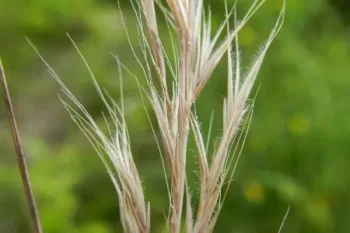
Fringed fescue won’t win any awards for showiness, but it has its own subtle charm. This grass typically grows as a small, tufted plant with fine, hair-like leaves that give it a delicate, almost wispy appearance. The seed heads are slender and elegant, though you’ll need to look closely to appreciate their intricate structure.
As a graminoid (that’s botanist-speak for grass-like plants), it has the characteristic narrow leaves and small, inconspicuous flowers that are wind-pollinated rather than showy blooms designed to attract insects.
Should You Grow Fringed Fescue?
Here’s where things get interesting. While fringed fescue isn’t invasive or problematic, it’s also not particularly garden-worthy for most landscaping purposes. This grass is more of a botanical curiosity than a landscape star. Here are some considerations:
Reasons You Might Want It:
- You’re creating a Mediterranean-themed garden or collection
- You enjoy growing unusual or lesser-known plants
- You want to add texture to a wild or naturalized area
- You’re interested in annual grasses for dried arrangements
Reasons You Might Skip It:
- Limited ornamental appeal compared to other grasses
- Being non-native, it doesn’t support local wildlife as effectively as native options
- Annual nature means it needs to reseed each year
- Can be difficult to source from nurseries
Native Alternatives to Consider
If you’re drawn to the idea of delicate annual grasses, consider exploring native options that will better support your local ecosystem. Many regions have beautiful native annual grasses that provide similar aesthetic qualities while offering food and habitat for local wildlife. Check with your local native plant society or extension office for recommendations specific to your area.
Growing Fringed Fescue Successfully
If you do decide to grow fringed fescue, the good news is that it’s relatively low-maintenance. Here’s what you need to know:
Growing Conditions:
- Full sun to partial shade
- Well-drained soils (it doesn’t tolerate waterlogged conditions)
- Prefers drier conditions once established
- Likely hardy in USDA zones 6-9
Care Tips:
- Sow seeds in fall or early spring
- Requires minimal fertilization—too much nutrition can actually make it less hardy
- Allow some plants to go to seed if you want it to return next year
- Water sparingly once established
The Bottom Line
Fringed fescue is one of those plants that’s more interesting from a botanical perspective than a gardening one. While it’s not going to transform your landscape, it might appeal to plant collectors or those creating specialized Mediterranean gardens. Just remember that choosing native plants when possible helps support local wildlife and maintains the ecological connections that make our gardens part of the larger natural world.
Whether you decide to grow it or not, knowing about plants like fringed fescue helps us appreciate the incredible diversity of the plant kingdom—even in the seemingly simple world of grasses.