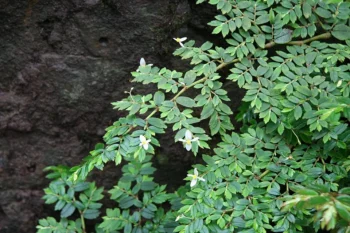
Fuchsia Begonia: A Charming Shade-Loving Shrub for Tropical Gardens
Meet the fuchsia begonia (Begonia foliosa), a delightful little shrub that brings a splash of color to shady corners of tropical and subtropical gardens. With its cascading pink to red flowers that dangle like tiny lanterns and glossy green foliage, this compact beauty has charmed gardeners in Hawaii and other warm climates.
What Is Fuchsia Begonia?
The fuchsia begonia is a perennial shrub that stays refreshingly manageable in size. Most plants top out at just 1.5 feet tall, though some ambitious specimens might reach up to 3 feet in ideal conditions. This low-growing habit makes it perfect for gardeners who want something substantial but not overwhelming.
Originally hailing from South America, this begonia has found its way to Hawaii, where it has naturalized and now reproduces on its own in the wild. While it’s not native to the Hawaiian islands, it has adapted well to the tropical climate and poses no known invasive threat.
Where Does It Grow?
In the United States, you’ll primarily find fuchsia begonia thriving in Hawaii, where the warm, humid climate suits it perfectly. The plant has established itself well enough to persist and spread naturally in this tropical paradise.
- Species observed
- No observations
Why Grow Fuchsia Begonia?
This little charmer offers several appealing qualities for the right garden:
- Shade tolerance: Perfect for those tricky spots where other flowering plants struggle
- Compact size: Won’t overwhelm small spaces or container gardens
- Unique flowers: The drooping, fuchsia-like blooms add an exotic touch
- Low maintenance: Once established, it’s relatively easy to care for
- Year-round interest: As a perennial, it provides consistent garden structure
Garden Design and Landscape Role
Fuchsia begonia shines as an understory plant in tropical gardens, where it can nestle beneath larger shrubs and trees. Its compact form makes it excellent for:
- Border plantings along shaded pathways
- Container gardens on covered patios
- Ground cover in shaded areas
- Adding texture and color to shade gardens
The plant works beautifully in tropical and subtropical landscape designs, particularly those emphasizing lush, layered plantings with varying heights and textures.
Growing Conditions and Care
Fuchsia begonia is happiest in USDA hardiness zones 10-11, where temperatures rarely dip below freezing. Here’s what this tropical beauty needs to thrive:
- Light: Partial to full shade (direct sunlight can scorch the leaves)
- Soil: Well-draining, moist soil rich in organic matter
- Water: Regular watering to keep soil consistently moist but not waterlogged
- Humidity: High humidity levels typical of tropical climates
- Temperature: Warm temperatures year-round; protect from cold drafts
Planting and Care Tips
Getting your fuchsia begonia off to a good start is straightforward:
- Plant in a location with morning sun and afternoon shade
- Amend heavy clay soils with compost to improve drainage
- Water regularly during dry periods, but avoid soggy conditions
- Apply a layer of organic mulch to help retain moisture
- Prune lightly after flowering to maintain shape
- Feed with a balanced, dilute fertilizer during the growing season
Environmental Considerations
According to wetland classifications, fuchsia begonia has a Facultative Upland status in Hawaii, meaning it usually grows in non-wetland areas but can occasionally pop up in wetter spots. This adaptability makes it versatile for various garden conditions.
While this begonia isn’t native to Hawaii, it has naturalized without becoming problematic. However, gardeners interested in supporting local ecosystems might consider incorporating native Hawaiian plants alongside or instead of non-native species.
Is Fuchsia Begonia Right for Your Garden?
This charming shrub could be perfect if you’re gardening in a warm, humid climate and looking for a low-maintenance shade plant with unique flowers. Its compact size makes it particularly appealing for smaller gardens or container growing.
However, if you’re outside of zones 10-11 or lack the humid, shaded conditions it prefers, you might want to look for alternatives better suited to your climate. Cold-climate gardeners could enjoy it as an annual or houseplant, bringing it indoors during winter months.
Whether you choose fuchsia begonia or explore native alternatives, the key is selecting plants that will thrive in your specific growing conditions while contributing to a healthy, beautiful garden ecosystem.