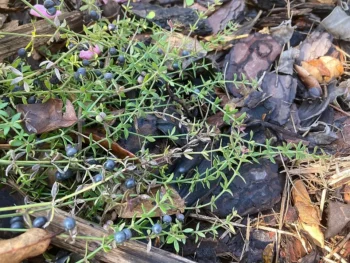
Galium bermudense: The Mystery Plant That May Not Exist
If you’ve stumbled across the name Galium bermudense while researching native plants, you’re not alone in your confusion. This particular plant name presents quite the botanical puzzle, and here’s why you might want to think twice before adding it to your garden wish list.
The Great Galium bermudense Mystery
Here’s the thing about Galium bermudense – it’s practically a ghost in the plant world. Despite extensive searching through botanical databases, native plant guides, and horticultural resources, this species appears to be either extremely rare, misnamed, or possibly non-existent in current botanical classification.
The genus Galium, commonly known as bedstraws or cleavers, includes hundreds of species found worldwide. These plants are typically small, herbaceous species with square stems and whorled leaves. However, Galium bermudense doesn’t show up in any major flora treatments or plant databases.
What This Means for Your Garden
Since we can’t provide reliable information about Galium bermudense’s native status, growing requirements, or garden performance, we can’t recommend it for your landscape. When you can’t verify a plant’s identity, characteristics, or origin, it’s best to choose alternatives with well-documented information.
Better Alternatives: Proven Galium Species
Instead of chasing this botanical mystery, consider these well-documented native Galium species that might work in your garden:
- Galium verum (Lady’s Bedstraw) – Though not native to North America, it’s naturalized in many areas
- Galium boreale (Northern Bedstraw) – Native to northern regions of North America
- Galium aparine (Cleavers) – A widespread native annual
- Galium triflorum (Sweet-scented Bedstraw) – A fragrant native woodland species
The Importance of Plant Verification
This situation highlights why it’s crucial to verify plant information before making garden decisions. When selecting plants, especially natives, always:
- Cross-reference multiple reliable sources
- Check with local native plant societies
- Consult university extension services
- Verify botanical names in current databases
Moving Forward
If you encountered the name Galium bermudense in a plant list or reference, it may be a case of misidentification or outdated nomenclature. Your best bet is to contact the source for clarification or work with a local botanist to identify what plant was actually intended.
Remember, successful native gardening relies on accurate plant identification and understanding each species’ specific needs. When in doubt, stick with well-documented native species that have proven track records in cultivation.