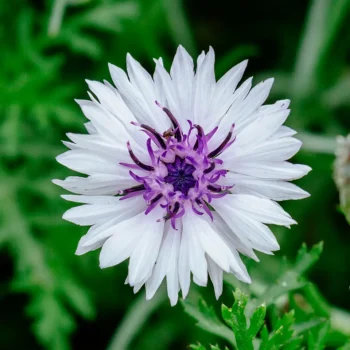
Garden Cornflower: A Charming Annual with Old-World Appeal
If you’ve ever wandered through a European countryside or flipped through vintage botanical illustrations, you’ve likely encountered the delicate blue blooms of garden cornflower (Centaurea cyanus). This cheerful annual has been captivating gardeners for centuries with its papery, fringed petals and easy-going nature. But before you scatter those seeds, let’s dive into what makes this plant tick and whether it deserves a spot in your garden.
What Exactly Is Garden Cornflower?
Garden cornflower, scientifically known as Centaurea cyanus, is an annual forb that belongs to the aster family. Don’t let the fancy terminology fool you – a forb is simply a herbaceous flowering plant that isn’t a grass or sedge. This particular beauty originally called Europe home but has since made itself comfortable across much of North America.
As a non-native species, garden cornflower has established itself throughout the United States and Canada, from coast to coast. You’ll find it naturalized in everything from disturbed roadsides to abandoned lots, proving its adaptability and resilience.
- Species observed
- No observations
The Appeal Factor: Why Gardeners Love It
There’s something undeniably romantic about cornflowers. Their signature bright blue color (though they also come in pink, white, and purple varieties) adds a cottage garden charm that’s hard to resist. The flowers have a delicate, almost papery texture with fringed edges that dance in the breeze, creating movement and visual interest in the garden.
Beyond their beauty, these blooms are workhorses in the cutting garden. They last well in bouquets and dry beautifully for winter arrangements. Plus, they’re magnets for pollinators – bees, butterflies, and other beneficial insects can’t seem to get enough of their nectar-rich flowers.
Where Does It Fit in Your Garden?
Garden cornflower is wonderfully versatile and can find a home in several garden styles:
- Cottage gardens: Perfect for that relaxed, slightly wild aesthetic
- Wildflower meadows: Adds color and attracts beneficial insects
- Annual flower borders: Provides consistent blooms throughout the growing season
- Cutting gardens: Excellent for fresh and dried flower arrangements
Growing Conditions: What Makes It Happy
One of cornflower’s greatest strengths is its adaptability. This tough little annual thrives in full sun and well-drained soil but isn’t particularly fussy about soil quality. In fact, it often performs better in average to poor soils than in rich, heavily fertilized ground.
The plant prefers upland conditions and rarely tolerates wet feet, which aligns with its wetland status ranging from Facultative Upland to Obligate Upland across different regions. Once established, it’s quite drought tolerant, making it a good choice for low-maintenance gardens.
Garden cornflower can be grown across USDA hardiness zones 2-11, though as an annual, it completes its entire life cycle in one growing season regardless of your zone.
Planting and Care: Keep It Simple
The beauty of growing garden cornflower lies in its simplicity. Here’s how to get started:
- Direct seeding: Sow seeds directly in the garden in early spring or fall
- Soil prep: Minimal preparation needed – just ensure good drainage
- Spacing: Scatter seeds thinly or space them about 12 inches apart
- Watering: Water gently until established, then only during extended dry periods
- Maintenance: Deadhead spent flowers to encourage more blooms
One thing to keep in mind: cornflower self-seeds readily. While this can be a blessing for those wanting a naturalized look, it might be too enthusiastic for formal garden settings. Simply pull unwanted seedlings if they pop up where you don’t want them.
The Native Alternative Consideration
While garden cornflower isn’t considered invasive or problematic, it’s worth noting that it is a non-native species. If you’re passionate about supporting native ecosystems, consider these beautiful native alternatives that offer similar appeal:
- Wild bergamot (Monarda fistulosa) for purple-blue blooms
- New England aster (Symphyotrichum novae-angliae) for fall color
- Wild lupine (Lupinus perennis) for blue spikes
- Spiderwort (Tradescantia ohiensis) for delicate blue flowers
The Bottom Line
Garden cornflower is a charming, low-maintenance annual that brings old-world elegance to modern gardens. Its pollinator-friendly flowers, easy care requirements, and cottage garden appeal make it a solid choice for many garden styles. While it’s not native to North America, it’s not causing ecological harm either, making it a reasonable addition to your garden palette.
Whether you’re creating a cutting garden, adding color to a wildflower meadow, or simply want something pretty and reliable for your flower borders, garden cornflower delivers beauty without the fuss. Just remember that a little goes a long way – this enthusiastic self-seeder will likely give you plenty of volunteers for years to come!