Garden Cosmos: The Delicate Beauty That’s Easy to Love (But Not Native)
If you’ve ever wandered through a cottage garden and been charmed by those delicate, papery flowers dancing in the breeze, you’ve likely encountered garden cosmos. With their feathery foliage and cheerful blooms, these annual flowers have won hearts across North America—even though they’re not originally from here.
What Is Garden Cosmos?
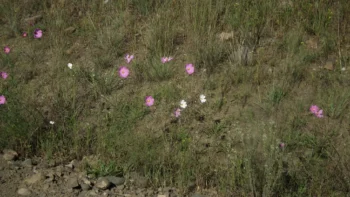
Garden cosmos (Cosmos bipinnatus) is an annual forb that brings effortless elegance to any garden space. This herbaceous plant lacks woody tissue and completes its entire life cycle in one growing season, but what a season it is! Originally hailing from Mexico, garden cosmos has made itself at home across much of North America, from Canada down to the southern United States.
Where You’ll Find Garden Cosmos Growing
This adaptable annual has spread far from its Mexican origins and now grows wild across numerous states including Alabama, Arizona, California, Colorado, Florida, Illinois, New York, Texas, and many others. It’s also established itself in parts of Canada, particularly Ontario and Quebec. The plant has proven remarkably adaptable to different climates and conditions across this broad range.
- Species observed
- No observations
Why Gardeners Love (and Sometimes Question) Garden Cosmos
There’s no denying garden cosmos has serious charm. These fast-growing annuals can reach 3-6 feet tall and 1-2 feet wide, creating airy backdrops filled with daisy-like flowers in shades of white, pink, and magenta. The finely divided, feathery foliage adds texture even when the plants aren’t blooming.
However, it’s worth noting that garden cosmos isn’t native to North America. While it’s not considered invasive in most areas, it does self-seed readily and can naturalize in the wild. This means it might not provide the same ecological benefits as native wildflowers that co-evolved with local wildlife.
Garden Design and Landscape Uses
Garden cosmos shines in several garden styles:
- Cottage gardens, where their informal charm fits perfectly
- Cutting gardens, as they make excellent long-lasting cut flowers
- Wildflower meadows and naturalized areas
- Background plantings where their height adds structure
- Children’s gardens, since they’re easy to grow from seed
Growing Conditions and Care
One of garden cosmos’s biggest selling points is how ridiculously easy it is to grow. These plants actually prefer poor to average soil—rich soil can lead to lots of foliage but fewer flowers. Here’s what they need:
- Sunlight: Full sun for best flowering
- Soil: Well-draining, average to poor soil
- Water: Drought tolerant once established; avoid overwatering
- USDA Zones: Grown as annuals in zones 3-10
Planting and Care Tips
Garden cosmos is wonderfully low-maintenance:
- Direct sow seeds in spring after the last frost date
- Barely cover seeds with soil—they need light to germinate
- Space plants 12-18 inches apart
- Deadhead spent flowers to encourage continued blooming
- Allow some flowers to go to seed if you want self-sown plants next year
- No fertilizer needed—it actually prefers lean conditions
Wildlife and Pollinator Benefits
Garden cosmos does offer some benefits to pollinators and wildlife. The flowers attract bees, butterflies, and other beneficial insects looking for nectar. However, as a non-native species, it may not support native wildlife as effectively as indigenous plants would.
Moisture Preferences Across Regions
Interestingly, garden cosmos shows different moisture preferences depending on the region. In some areas like the Great Plains and Arid West, it tends to favor wetland conditions, while in regions like the Eastern Mountains and Piedmont, it usually prefers drier, upland sites. This adaptability has helped it establish across such a wide geographic range.
Should You Grow Garden Cosmos?
Garden cosmos can be a delightful addition to informal gardens, especially if you love cut flowers or want something easy and fast-growing. Just keep in mind that as a non-native plant, it won’t provide the same ecological benefits as native alternatives.
If you’re interested in supporting local ecosystems, consider native alternatives like purple coneflower (Echinacea), black-eyed Susan (Rudbeckia), or native asters, which offer similar cottage garden charm while supporting native pollinators and wildlife.
Whether you choose garden cosmos or native alternatives, the most important thing is creating a garden space that brings you joy while being mindful of your local ecosystem.