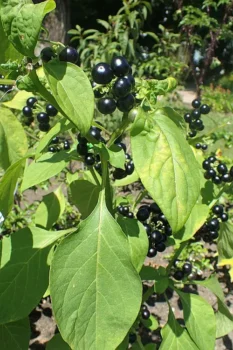
Garden Huckleberry: A Unique Edible Berry for Adventurous Gardeners
Looking to add something a little different to your edible garden? Meet the garden huckleberry (Solanum melanocerasum), a fascinating plant that’s been quietly growing in gardens around the world for generations. Despite its name, this isn’t actually related to true huckleberries – it’s a member of the nightshade family, closely related to tomatoes and eggplants.
What Exactly Is Garden Huckleberry?
Garden huckleberry goes by its scientific name Solanum melanocerasum and has the synonym Solanum intrusum Soria. This annual plant produces small, dark purple-black berries that can be cooked into jams, pies, and other culinary creations. While the raw berries are quite tart and somewhat unpalatable, they transform into something special when cooked with sugar.
Origins and Growing Regions
This plant is native to Africa, particularly the eastern and southern regions of the continent. It’s not indigenous to North America, so if you’re committed to native-only gardening, you might want to consider native alternatives like elderberries, serviceberries, or native currants instead.
Why Grow Garden Huckleberry?
Despite being non-native, garden huckleberry offers several appealing qualities for home gardeners:
- Unique culinary ingredient for adventurous cooks
- Easy to grow from seed
- Compact size perfect for container gardening
- Attractive small white flowers that support pollinators
- Interesting conversation starter in the garden
Appearance and Growth Habits
Garden huckleberry is a bushy annual that typically reaches 2-3 feet in height and width. It produces small, star-shaped white flowers throughout the growing season, which gradually give way to clusters of dark berries. The plant has a neat, compact growth habit that works well in both garden beds and containers.
Growing Conditions and Care
This plant is fairly adaptable but has some specific preferences:
- Sunlight: Full sun to partial shade (at least 6 hours of direct sunlight preferred)
- Soil: Well-draining soil with good fertility
- Water: Regular, consistent moisture but not waterlogged conditions
- Temperature: Warm-weather crop that’s frost-tender
USDA Hardiness Zones
Garden huckleberry thrives in USDA zones 9-11 as a perennial, but can be grown as an annual in cooler climates. In zones 8 and below, treat it as you would tomatoes – start seeds indoors and transplant after the last frost date.
Planting and Care Tips
Getting started with garden huckleberry is straightforward:
- Start seeds indoors 6-8 weeks before your last expected frost
- Plant seeds ¼ inch deep in seed-starting mix
- Keep soil consistently moist and warm (70-75°F is ideal)
- Transplant outdoors after soil has warmed and frost danger has passed
- Space plants 18-24 inches apart
- Provide regular water and occasional fertilizing
- Harvest berries when they’re fully dark and slightly soft
Pollinator and Wildlife Benefits
While not native, garden huckleberry does offer some benefits to local wildlife. The small white flowers attract bees and other pollinators during the growing season. However, for maximum ecological benefit, consider incorporating native berry-producing plants alongside or instead of garden huckleberry.
The Bottom Line
Garden huckleberry is an interesting addition for gardeners who enjoy trying unusual edible plants. While it’s not native to North America, it’s also not known to be invasive or problematic. If you’re curious about unique fruits and don’t mind a non-native plant in your garden, it’s worth a try. Just remember that the berries need to be cooked to be truly enjoyable – they’re not a grab-and-eat garden snack like many other berries!
For gardeners prioritizing native plants, consider exploring native alternatives like elderberries, serviceberries, or wild strawberries that offer similar garden interest while supporting local ecosystems.