Garden Leek: A Versatile Culinary and Ornamental Addition to Your Garden
If you’re looking for a plant that pulls double duty in your garden—serving up delicious harvests while adding elegant architectural interest—let me introduce you to the garden leek (Allium porrum). This Mediterranean native has been charming gardeners and chefs alike for centuries, and once you see what it brings to the table (literally and figuratively), you’ll understand why.
What Exactly is a Garden Leek?
Garden leek belongs to the allium family, making it a cousin to onions, garlic, and chives. As a perennial forb, it’s a non-woody plant that can live for multiple years under the right conditions. Don’t let the fancy botanical terminology fool you though—this is simply a hardy plant that lacks the thick, woody stems you’d find on shrubs or trees.
While it goes by the scientific name Allium porrum, you might occasionally see it listed under its synonym Allium ampeloprasum var. porrum. But let’s stick with calling it what most gardeners know it as: the humble yet impressive garden leek.
Where You’ll Find Garden Leeks Growing
Originally from the Mediterranean region, garden leeks have made themselves at home across several U.S. states. You can find established populations growing wild in Arkansas, Illinois, Iowa, Kansas, New York, Ohio, and Texas. As a non-native species that reproduces on its own in these areas, it’s proven quite adaptable to American growing conditions.
- Species observed
- No observations
Why Consider Growing Garden Leeks?
Garden leeks offer several compelling reasons to earn a spot in your garden:
- Culinary versatility: The thick, white stems provide a mild, sweet onion flavor perfect for soups, stews, and sautés
- Visual appeal: The tall, blue-green foliage creates striking vertical elements in garden beds
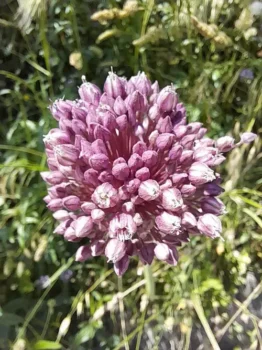
- Pollinator support: When allowed to flower, leeks produce beautiful purple-pink umbel flowers that attract bees and butterflies
- Long harvest window: You can harvest leeks over an extended period
- Cold tolerance: More cold-hardy than many other alliums
Garden Design and Landscape Role
Garden leeks work wonderfully in several garden settings. They’re naturals in vegetable gardens, of course, but don’t overlook their ornamental potential. The architectural foliage looks fantastic in cottage gardens, herb gardens, and mixed borders. When they bolt and send up those impressive flower heads, they become conversation starters that rival any ornamental allium.
The plants typically reach 2-3 feet in height with a spread of about 6-8 inches, making them excellent for creating vertical interest without overwhelming smaller plants nearby.
Growing Conditions and Care
Garden leeks are generally hardy in USDA zones 7-10, though gardeners in colder areas can successfully grow them as annuals. Here’s what they need to thrive:
- Sunlight: Full sun to partial shade (at least 6 hours of direct sunlight daily)
- Soil: Well-draining, fertile soil rich in organic matter
- Water: Consistent moisture throughout the growing season
- Space: Plant 4-6 inches apart in rows
Planting and Care Tips
Growing leeks successfully requires a bit of patience—they have a long growing season of 120+ days. Start seeds indoors about 10-12 weeks before your last frost date, or purchase transplants from your local nursery.
Here’s the secret to those beautiful, thick white stems: hilling. As your leeks grow, gradually mound soil around the stems to blanch them and keep them tender. This process, called earthing up, should be done several times throughout the growing season.
Keep the soil consistently moist but not waterlogged, and feed with a balanced fertilizer monthly during the growing season. Leeks are relatively pest-free, though you might occasionally deal with onion thrips or root maggots.
A Word About Native Alternatives
While garden leeks aren’t invasive and make wonderful garden additions, you might also consider native alliums if you’re focusing on supporting local ecosystems. Wild onion (Allium canadense) or nodding onion (Allium cernuum) could provide similar ornamental interest while supporting native pollinators and wildlife.
The Bottom Line
Garden leeks offer a unique combination of culinary value, ornamental appeal, and pollinator support that’s hard to beat. While they require a longer growing season than some vegetables, the payoff in both flavor and garden beauty makes them worth the wait. Whether you’re a dedicated vegetable gardener or someone who likes edible landscaping, garden leeks deserve a place in your growing plans.
Just remember: good things come to those who wait—and in the case of leeks, really good things come to those who hill their soil!