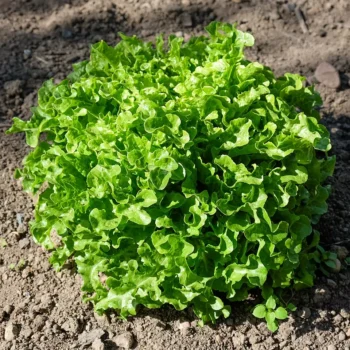
Garden Lettuce: The Classic Cool-Season Crop for Every Vegetable Garden
If you’ve ever dreamed of harvesting fresh, crisp salad greens just steps from your kitchen door, garden lettuce (Lactuca sativa) might be exactly what you’re looking for. This leafy annual has been feeding families for centuries and remains one of the most popular vegetables grown in home gardens across North America.
What Exactly Is Garden Lettuce?
Garden lettuce is an annual forb – basically a non-woody plant that completes its entire life cycle in one growing season. Originally hailing from the Mediterranean region and western Asia, this adaptable crop has found its way into gardens and farms worldwide. You might also see it listed under its synonyms Lactuca scariola var. integrata or Lactuca scariola var. integrifolia in some botanical references.
Where Does Garden Lettuce Grow?
As a non-native species, garden lettuce has established itself across much of North America. You’ll find it growing in states from coast to coast, including Alabama, California, Connecticut, Idaho, Illinois, Maine, Michigan, New York, Oregon, Pennsylvania, Washington, and many others. It’s also present in Canadian provinces like Alberta and Ontario, as well as territories like Puerto Rico and the U.S. Virgin Islands.
- Species observed
- No observations
Should You Grow Garden Lettuce?
Here’s the thing about garden lettuce – while it’s not native to North America, it’s also not considered invasive or harmful to local ecosystems. It’s primarily grown as a food crop and rarely escapes cultivation to become a problem. That said, if you’re passionate about supporting native plants and pollinators, you might want to consider native alternatives like wild lettuce (Lactuca canadensis) or other indigenous leafy greens.
But if fresh, homegrown salads are calling your name, garden lettuce offers some compelling benefits:
- Quick growing and relatively easy to cultivate
- Perfect for small spaces, containers, and raised beds
- Provides fresh greens throughout the growing season with succession planting
- When allowed to bolt and flower, can provide some benefit to pollinators with its small yellow blooms
Growing Conditions and Care
Garden lettuce is famously finicky about temperature – it loves cool weather and tends to bolt (go to seed) when things heat up. Here’s what this leafy green prefers:
- Temperature: Thrives in cool conditions, typically 45-65°F
- Sunlight: Full sun to partial shade (appreciates some afternoon shade in warmer climates)
- Soil: Well-draining, fertile soil rich in organic matter
- Water: Consistent moisture without waterlogging
- Hardiness: Can be grown as an annual in USDA zones 2-11, with timing adjusted for local climate
Planting and Care Tips
Successfully growing garden lettuce is all about timing and consistent care. Here are some tried-and-true tips:
- Start seeds indoors: Begin 4-6 weeks before your last frost date for spring crops
- Direct seeding: Plant seeds directly in the garden 2-4 weeks before the last frost
- Succession planting: Sow new crops every 2-3 weeks for continuous harvests
- Fall growing: Plant again in late summer for fall harvests when cool weather returns
- Harvest timing: Pick leaves when young and tender, before the plant bolts
- Consistent watering: Keep soil evenly moist but not soggy
Garden Design and Landscape Role
Garden lettuce isn’t going to win any beauty contests in the ornamental garden, but it has its place in edible landscaping. Its broad, green leaves create nice texture in vegetable gardens and raised beds. It’s particularly well-suited for:
- Kitchen gardens and potager-style layouts
- Container gardening on patios and balconies
- Raised bed systems
- Urban farming and small-space gardens
- Children’s gardens (quick results keep kids interested!)
The Bottom Line
Garden lettuce might not be native, but it’s not causing ecological harm either. If you enjoy fresh salads and want the satisfaction of growing your own greens, it’s a perfectly reasonable choice for your vegetable garden. Just remember to complement your edible plants with native species that support local wildlife and pollinators – the best gardens offer both sustenance for the gardener and habitat for native creatures.
Whether you’re a seasoned gardener or just starting out, garden lettuce offers a rewarding, relatively foolproof way to grow your own fresh greens. Just remember: cool weather is your friend, and succession planting is your secret weapon for salads all season long!